

Many different flags
matpit73 / stock.adobe.com
2026-02-19 short info

Standardization and Regulation – Two approaches, one mission: Creating impact

Standards shape markets, protect consumers, and enable innovation — but who shapes the standards? At the General Meeting 2026 of the International Electrotechnical Commission (IECGM26) in Hamburg this November, thousands of experts will tackle that very question, exploring how independent standardization and regulatory frameworks can work together to create global impact.

Contact
Johannes Koch

The synergy between standardization and regulation will be one of the key topics at the IECGM26. The rules that shape global trade, technology, and safety are written in standards – and Hamburg will be where the next chapter is drafted.

Standards are generally developed bottom-up by committees of independent experts. The aim is to promote safety and innovation and thereby also prosperity; to open up markets; and to lay the groundwork to facilitate technical solutions for achieving social and political objectives in such spheres as artificial intelligence, energy efficiency and consumer protection.Throughout the world, tens of thousands of experts from industry and science, authorities and civil society commit their work to this goal under the IEC umbrella.

In certain areas, regulation represents an additional factor that can positively influence standardization. Legislators are able to provide important impetus by clarifying societal expectations, guiding product development, and supporting the emergence of well‑functioning markets. When stakeholder‑driven standardization and political regulation work hand in hand, they can create a mutually reinforcing environment—one that fosters innovation, strengthens trust in new technologies, and ultimately benefits people and economies worldwide.
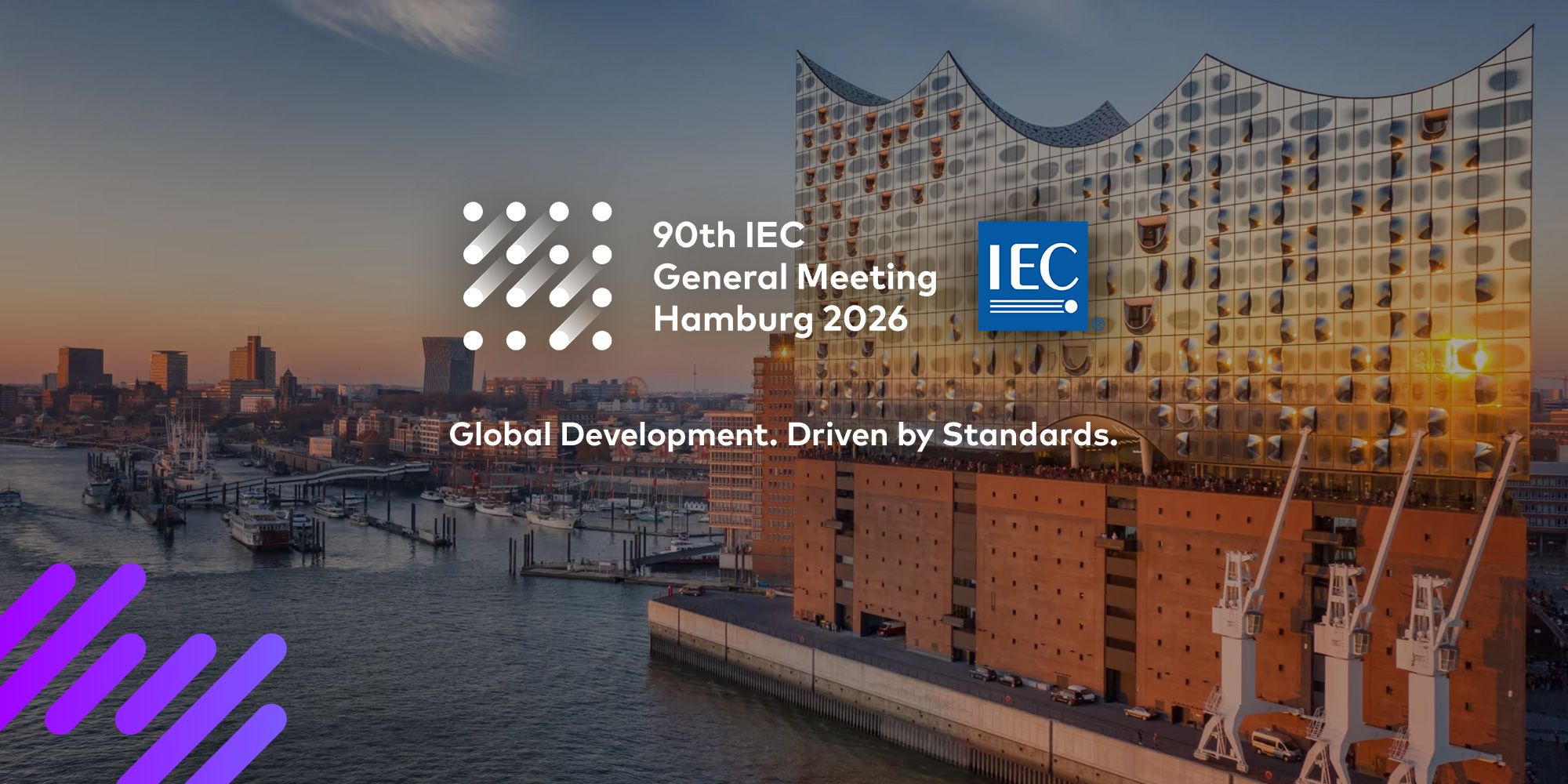

IEC General Meeting 2026

The DKE is honored to host the annual event for international electrotechnical standardization. Under the title “Global Development. Driven by Standards.”, around 3,500 guests are expected in Hamburg in November 2026.

Official Website

Standardization: Part of geopolitical objectives

The relationship between independent standardization and regulatory frameworks is undergoing continuous reassessment. Around the world, policymakers are increasingly recognizing the strategic relevance of standards and are seeking to play a more active role in shaping them in ways that reflect their broader geopolitical and economic objectives. This evolving dynamic illustrates how standardization—traditionally viewed as a largely technical and consensus-driven domain—is gradually becoming an arena in which states articulate strategic ambition and aim to shape the frameworks that guide global markets.


Icon Work results
VDE

Importance of standardization: benefits and advantages

Standards are of considerable benefit - this is true at national, European and international level. For consumers and users as well as for industry, science and the state. Standards and specifications ensure safety and pave the way for innovative technologies.

Read more

The future of international standardization – A question of governance

The question is how to globally establish high-quality standards in the future. The focus is on governance structures in standardization – a topic involving a wide variety of structures across the different world regions. The IEC GM 26 provides a unique framework for such discussions. It will afford participants a compact overview of the different national approaches, highlight the diversity and unique traits of those national systems, and provide impetus for international cooperation. Questions include:

  • How do various governance models impact international cooperation?
  • Which approaches promote innovation, trade, and consumer protection?
  • Where do opportunities for digital solutions in standardization lie?

The IEC GM 26 creates a space for key stakeholders in standardization, industry, and markets together with political actors to all arrive at a shared understanding of standardization and regulation. The goal is to further lower trade barriers, promote innovation, improve international recognition of technical standards, and thereby achieve tangible impact.


Icon book
VDE

Basics of standardization: explained briefly and clearly

To understand the principles and fundamentals of standardization, you only need to know a few things. The basics include definitions, basic terms and explanations of processes and objectives, as well as further information on norms and standards.

Read more

Relevant news and information about standards