Contact

DKE  German Commission for Electrical, Electronic & Information Technologies
Merianstraße 28
63069 Offenbach am Main
Germany

Phone: +49 69 6308-0
E-Mail: dke@vde.com

Icon Year 2025
VDE
2025-12-11 short info

That was electrotechnical standardization 2025

A look back on the year 2025 reveals what only a few had actually expected to be the case, our highly technical stage of digitalization requires an even more intensive level of cooperation than even before. Communication and interaction between people, between machines, and between people and machines. Communication has become omnipresent.

Everything has to do with transmitters and receivers, language and readability, formats and protocols, information content and processing. New players have to be integrated into many already existing processes, while the documentation and regulation of such progress appears to be an obstacle to some. Yet even in the context of digitalization, it becomes equally clear that standards represent both safety and security – so that protection is provided to humans and animals, renewable energies are further developed, and data protection becomes a success.

In the following we round up the year 2025 for you once again and look back on those specific moments of collaboration that were particularly memorable for DKE and all of its employees and experts.

Strong standardization

through strong collaboration.

Our spheres of activity and their respective managers and experts were, of course, key to our success in 2024. The preparation of standards would not be possible without them. They continued to drive standardization in a forward direction with outstanding work, dialogue, expertise and commitment.

The highlights of the year 2025

▸We Started with New Skills for People and Machines

January

DKE learning opportunities as part of holistic knowledge management

Standardization requires explanation. Whether you are interested in standardization, are just getting started, or simply aim to refresh your knowledge, the learning opportunities at DKE offer accessible options for different types of learners.

The DKE offers a wide range of free and publicly available training courses in order to convey knowledge about the rules, organizations, and tools involved in the work of standardization. In doing so, it fulfills its public mandate and familiarizes interested parties with the work of national and international standardization committees.

February

CSAF makes safety instructions for industry machine-readable

Industry 4.0 stands for maximum efficiency – and for the fact that increasing connectivity makes systems more vulnerable to external attacks. Although the number of published security advisories has risen exponentially in recent years, they still have to be processed manually.  This growing demand for resources can be minimized by the new CSAF automation standard.  It makes security advisories machine-readable, which translates into enormous added value for companies. 

CERT@VDE is at the cutting edge here, developing the tool and providing support to partners using it when it comes to implementation.

March

The language of SMART standards – ReqIF

When machines communicate with each other, a uniform data format is essential for the smooth exchange of data. This also applies to the digital content of standards, which needs to be read and interpreted by machines and applications. ReqIF is such an open, tool-neutral, and proven format for exchanging requirements between different tools and organizations without loss of data.

Since spring, there has been a freely available standard that defines the requirements for this data format. This enables companies to make their applications SMART Standards Ready – an important step on the road to digitalization.


▸We promote cooperation and understanding

April

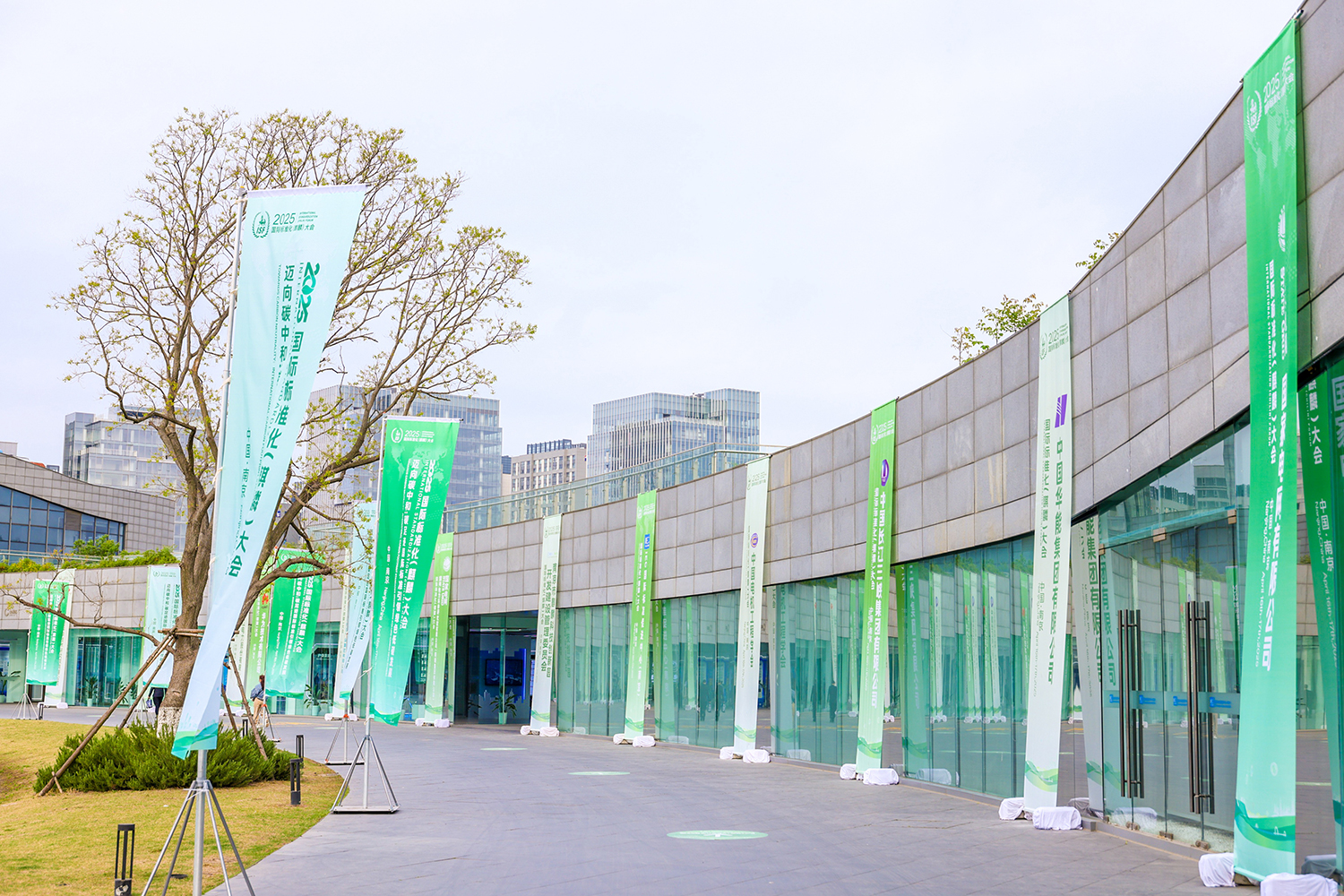
“We’re not just opening an office, we’re building a bridge”,

commented Florian Spiteller, member of the DKE Executive Board, at the official opening of the DKE office in Nanjing. “Our presence in Nanjing sends a clear message that dialogue and cooperation in standardization are more important than ever.” 

With the opening of its new office, DKE has taken a significant step toward strengthening international cooperation in the field of electrical engineering standardization. This milestone reflects DKE’s commitment to global cooperation and its conviction that harmonized standards are essential for sustainable and pioneering innovation.

May

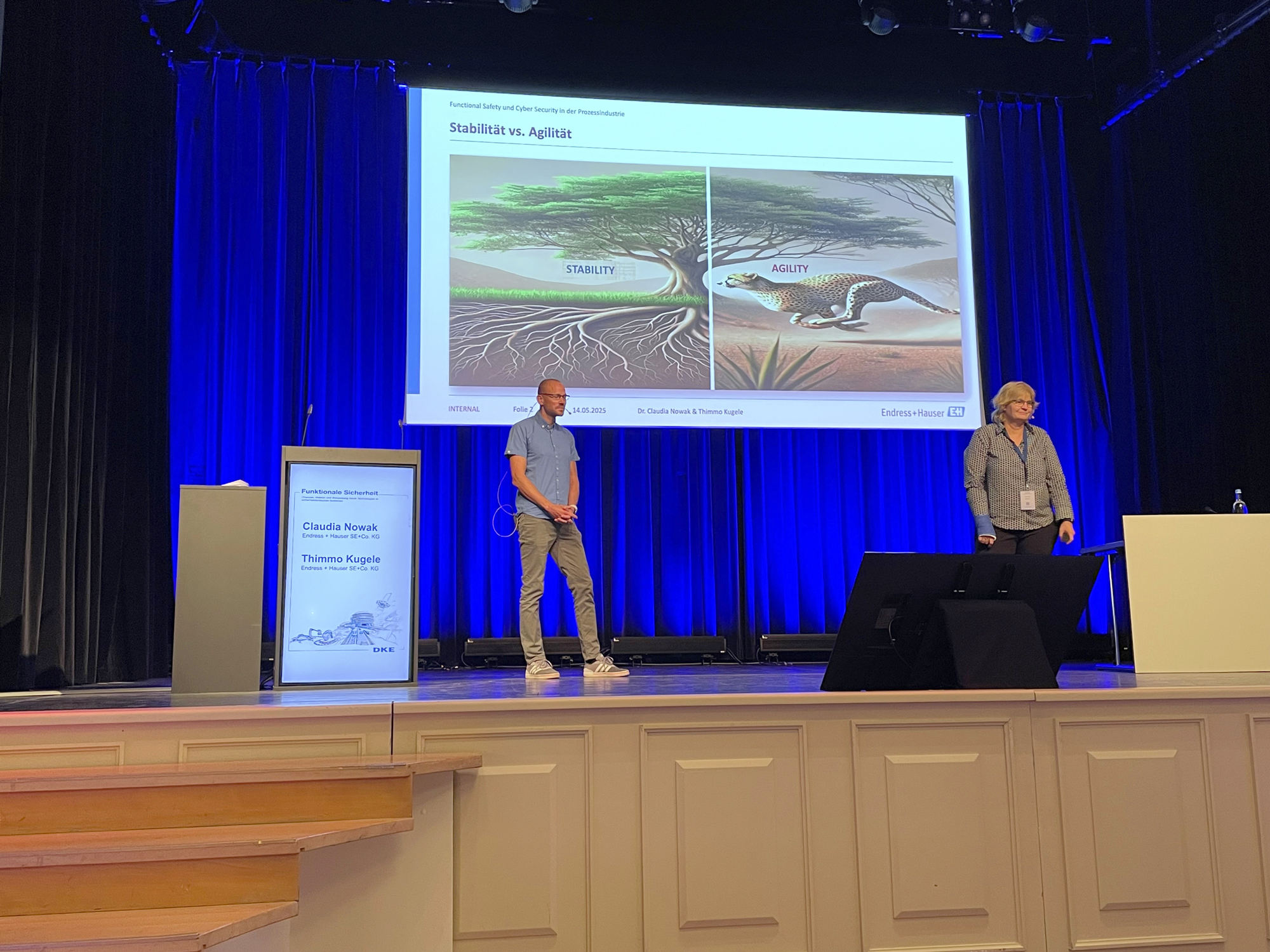
DKE Conference on Functional Safety 2025

Every two years, functional safety experts meet during the “Erfurt Days”. 

This year’s popular conference focused on information and exchange with regard to the upcoming third edition of IEC 61508 as the basic safety standard for functional safety, as well as the update of IEC 61511. In addition, the use of artificial intelligence (AI) and the topic of cybersecurity in the context of functional safety, as well as new trends in software development, the development of new applications for functional safety, and the evaluation of mechanical devices were presented and discussed. 

June

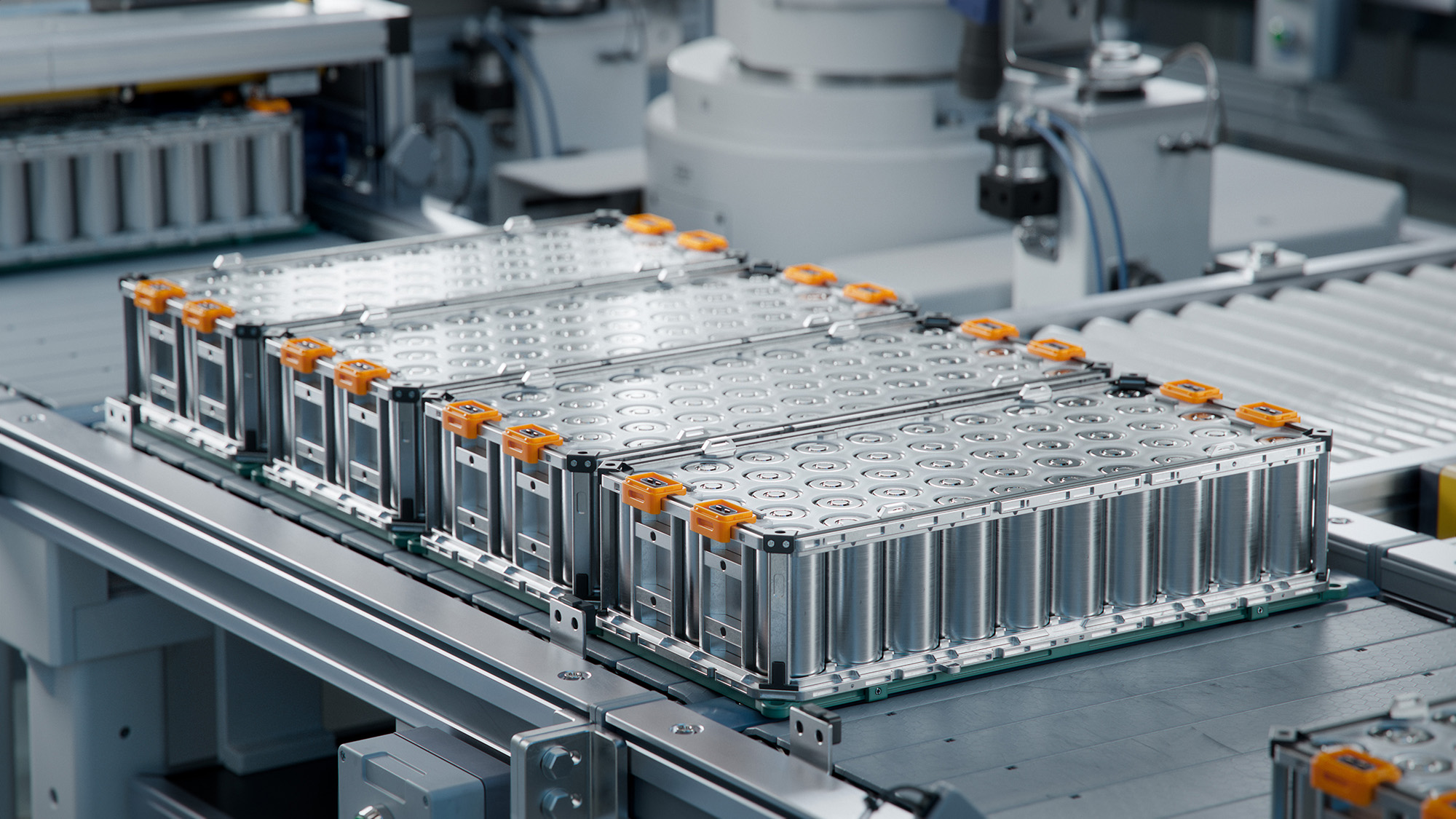
Standardized determination of the condition of used vehicle batteries

Even though there is supply and demand for used electric vehicles, it is currently difficult to compare the condition of the traction batteries – the most valuable component of the vehicle – in the vehicles under consideration. Although there are various ways of assessing battery condition, there is still no standard that determines the condition of the traction battery in a uniformly comparable manner.

A group of experts is now working on standardized requirements for the determination procedures. After all, comparable information on the state of health (SoH) would provide an important building block for the future of electromobility. 


▸We Focus on the User

July

Creative Approaches from Next Generation DKE

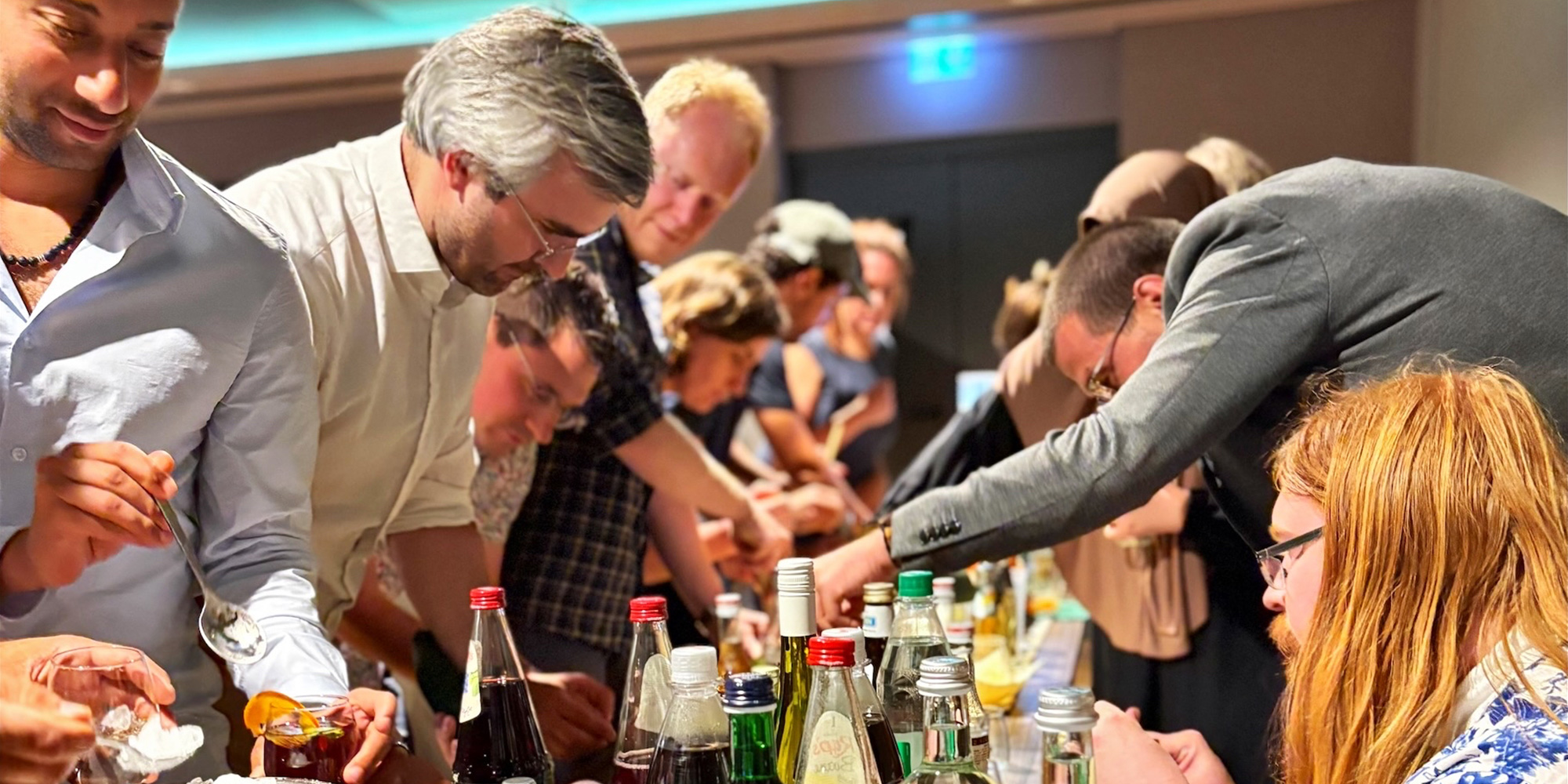
The 30th Next Generation DKE anniversary get-together featured an interactive workshop on design thinking, a creative method for solving problems and developing new ideas. Design thinking is used to satisfy customer requirements while also taking economic aspects into consideration. The focus is on people, and the aim is to understand the needs of users.

This process involves several steps, including collecting ideas, creating prototypes, and testing solutions in order to find the best option in each case.

August

New Rules for Connected Products in Europe

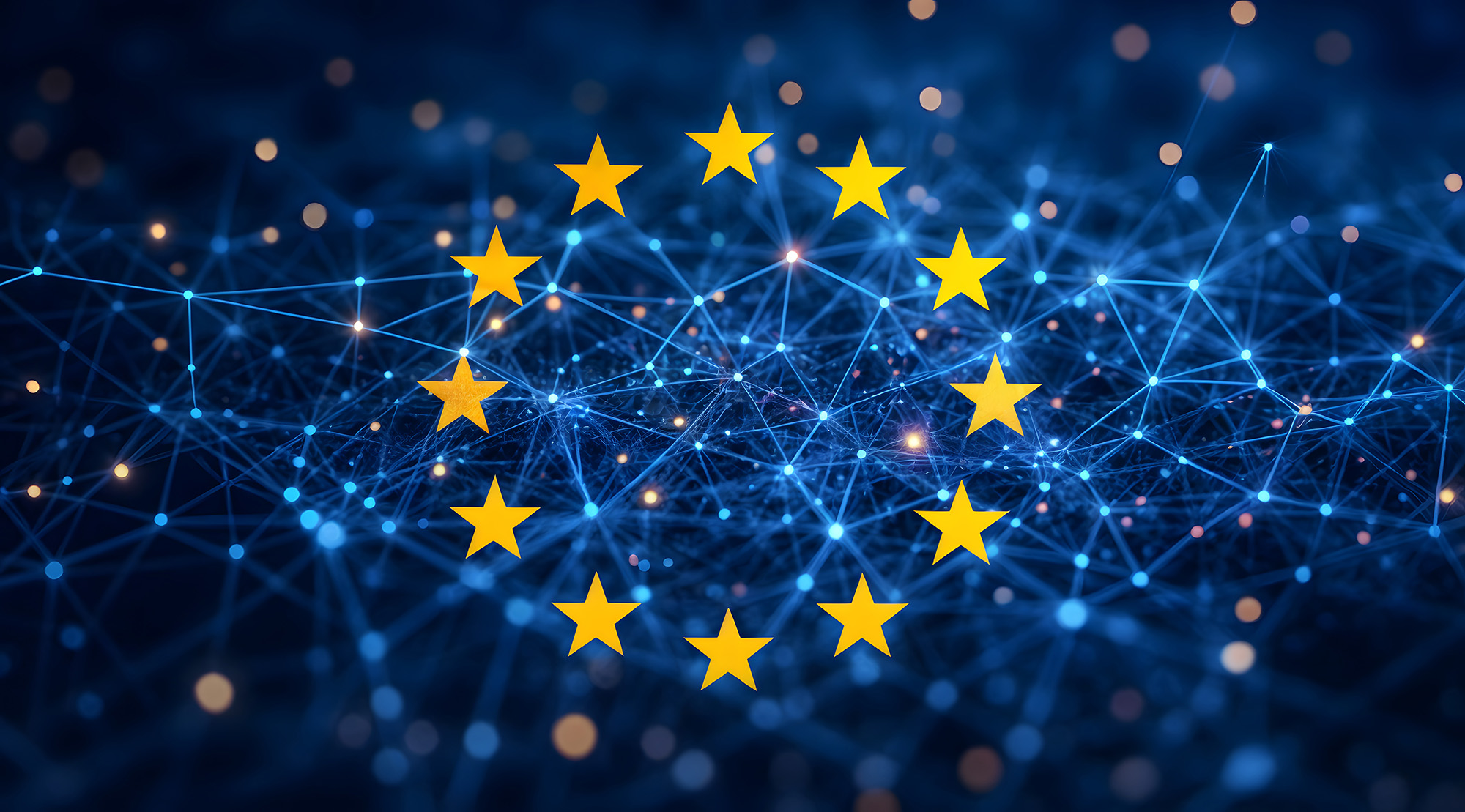
The Cyber Resilience Act (CRA) is a groundbreaking development in the field of cybersecurity regulation in Europe and, for the first time, prescribes binding cybersecurity requirements for products with digital elements. The CRA affects all companies that manufacture, import, or distribute networked hardware or software in the EU.

In addition to product requirements, the CRA also specifies requirements for secure product development and vulnerability management and requires security updates and a software bill of materials. Standards play an important role in its design and implementation in order to remain internationally compatible and conserve resources. 


September

Basic Funding and Drive for New Ideas through DIN-Connect

In addition to financial support, the DIN-Connect funding program from DIN and DKE also offers organizational support for innovative products and processes that are intended to result in a binding standard. The free VDE SPEC, which is produced at the end of the funding project, is often the first step on the way to a national or international standard.

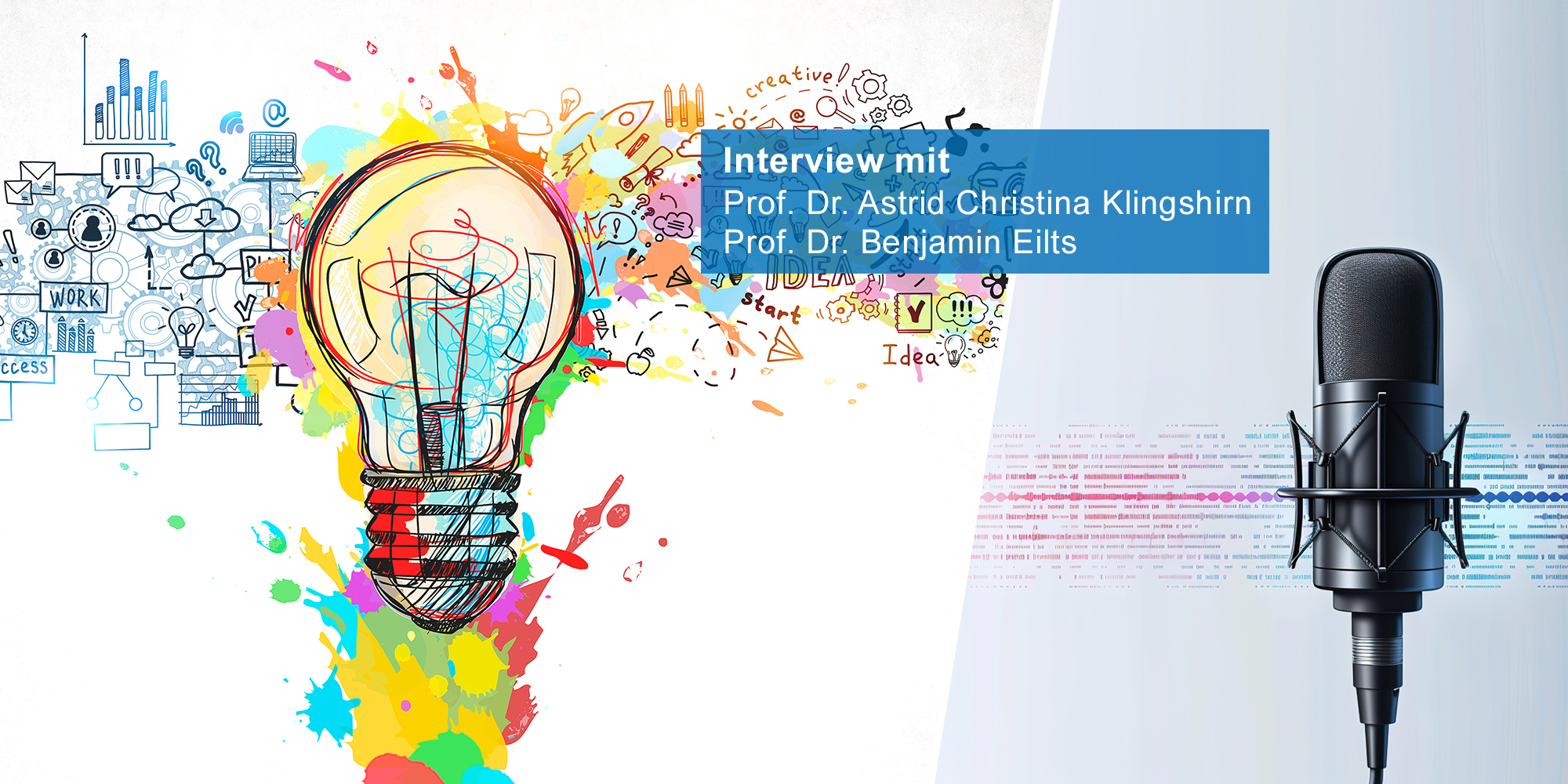
After completing two projects on the topic of food waste as part of DIN-Connect, Prof. Dr. Astrid Christina Klingshirn and Prof. Dr. Benjamin Eilts from the Faculty of Life Sciences at Albstadt-Sigmaringen University reported on their experiences and the benefits of the program in our interview.


▸We are Setting the Course for the Future

October

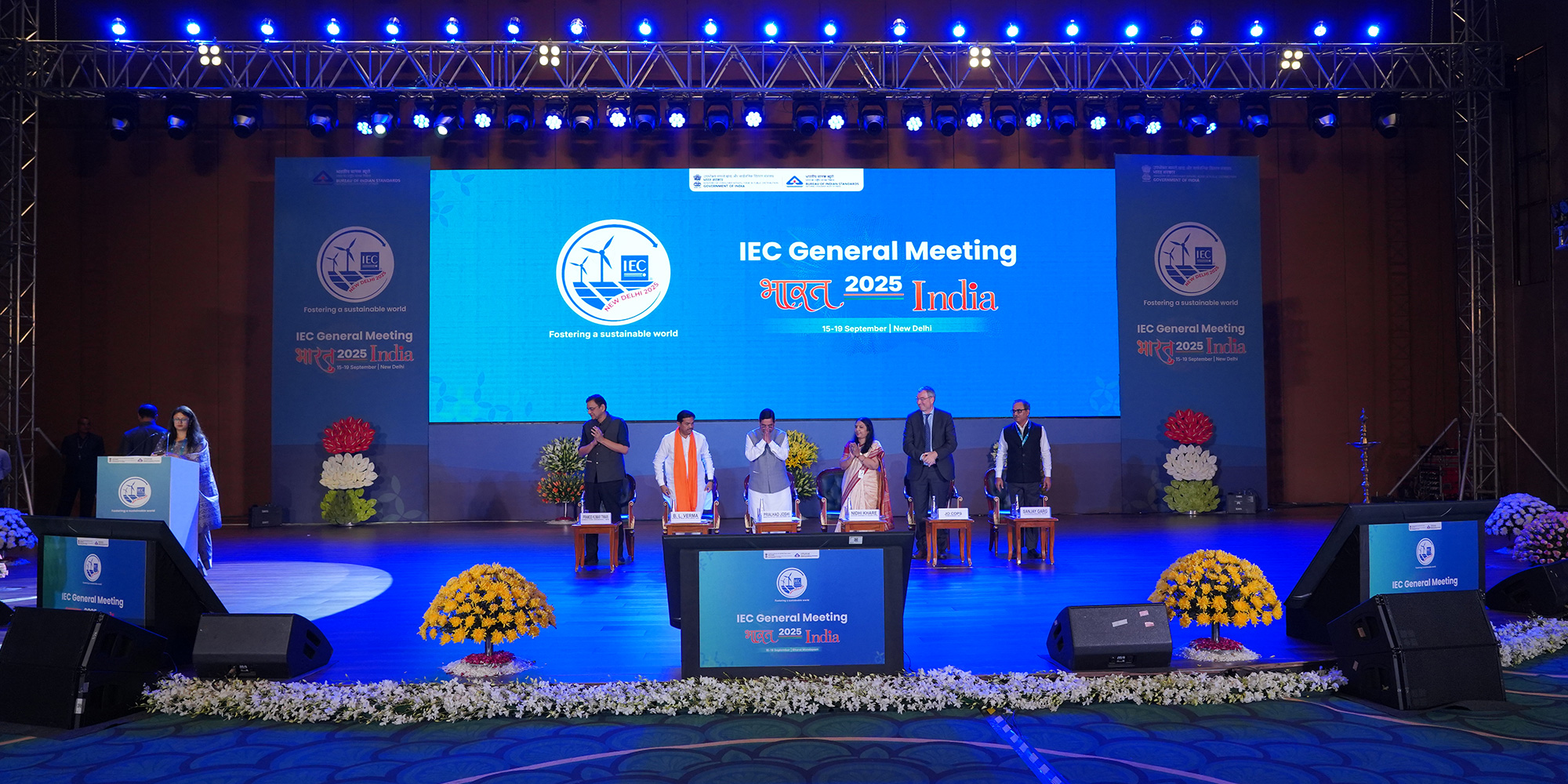
Summit meeting of the Global Standardization Community in India

The IEC General Meeting in New Delhi in 2025 was held under the motto “Fostering a Sustainable World,” and accordingly, the ideas and discussions revolved around transformation, digitalization, and global cooperation. The focus was placed on standardization as the key to energy efficiency, renewable energies, safety, and trust in technologies.

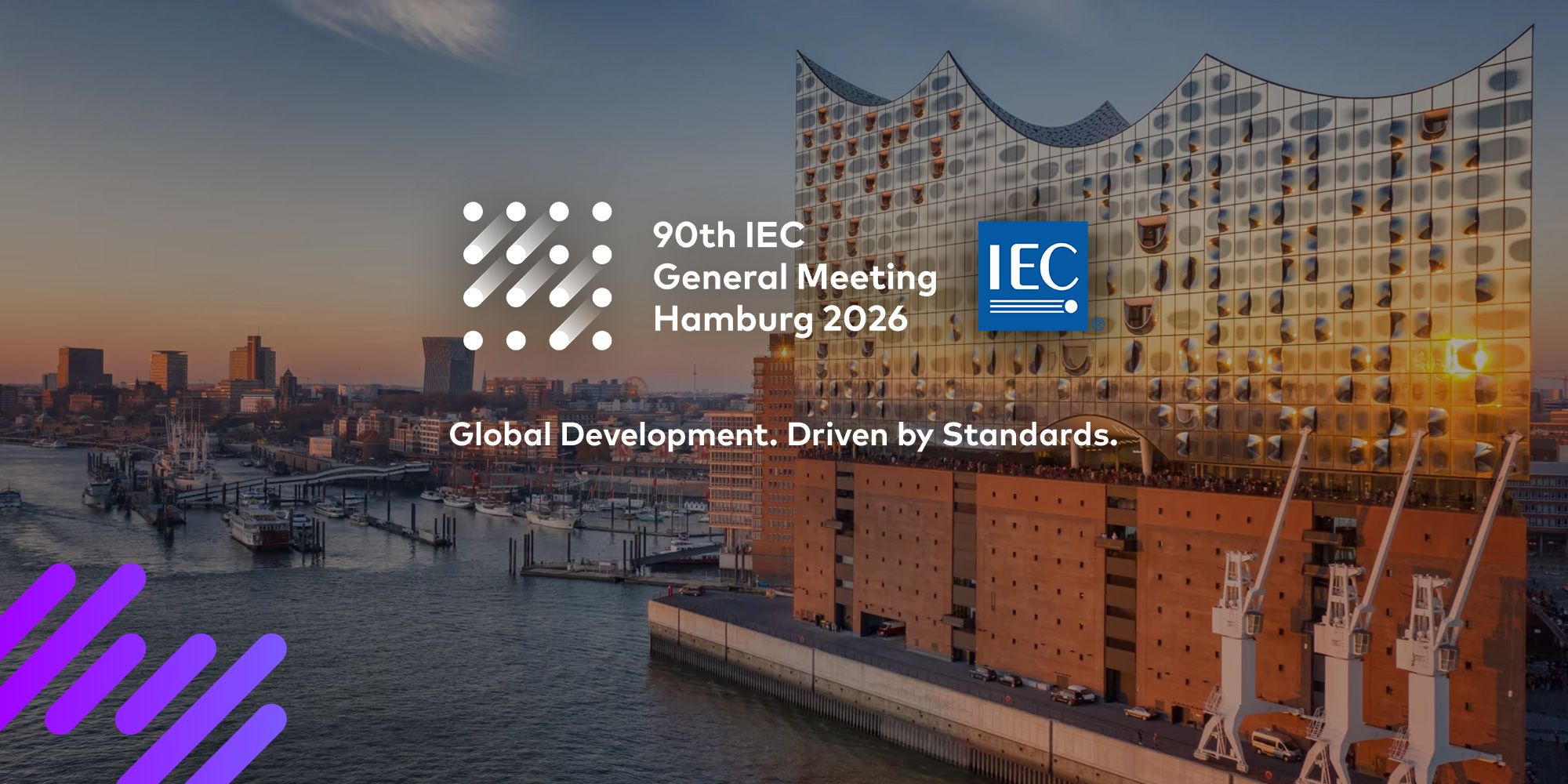
The DKE was represented by a large delegation at numerous meetings and events, particularly the central topics of All-Electric & Connected Society, E-Mobility, and SMART Standards. Once again this year, Germany provided the most experts in international standardization worldwide – which demonstrates the enormous commitment of our community and will be particularly satisfying when, in 2026, we exclaim: “Welcome to the 90th IEC General Meeting in Hamburg, Germany!”


November

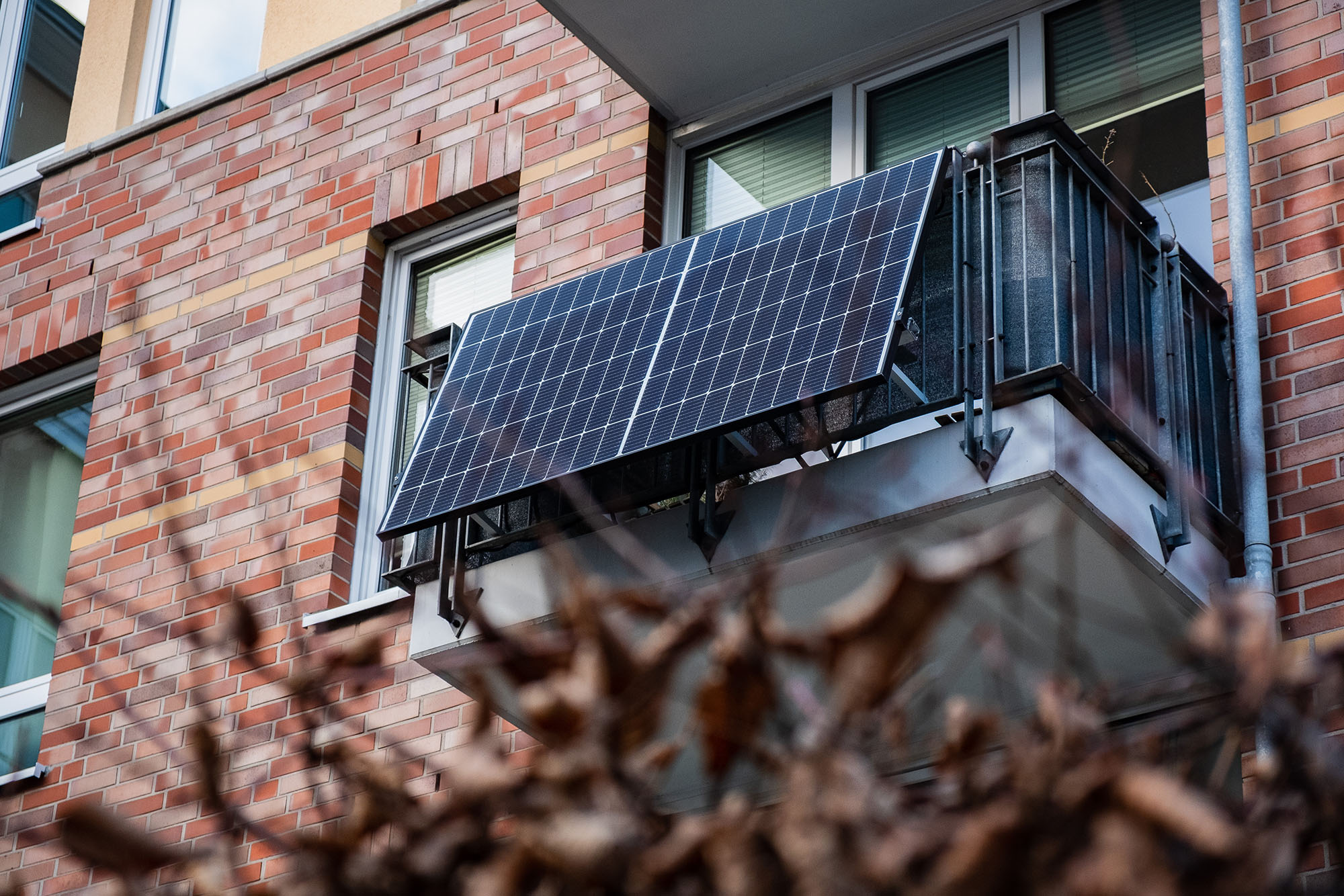
DKE Publishes World’s First Product Standard for Plug-in Solar Devices

The product standard defines technical requirements for plug-in solar devices as a complete system for the first time. Consensus was also reached on the key points of discussion. In addition to increasing the power limit, the product standard now includes previously prohibited connection options for which several protective measures have been defined. Accordingly, plug-in solar devices can now also be connected to a conventional household socket via a protective contact plug. This has made it possible to reconcile safety and protection with consumer interests.

Numerous countries around the world were eagerly awaiting the publication of this standard, as it will most likely serve as the basis for the preparation of an international standard.

December

Thank you for your cooperation

We work together. Sometimes in small working groups and sometimes in large, long-established committees, in workshops or departments. Electrical engineering standardization connects us, and the desire to contribute to a safe electrical engineering world is what drives us on. Thank you for not giving up when it comes to finding consensus on controversial issues. Thank you for remaining curious when it comes to creating something new. And thank you for never tiring of regularly putting even the most tried-and-tested things to the test. Whether it’s a global view of the big picture or a specific focus on details, we need each and every one of you with all your different perspectives.

Thank you for the colorful collaboration and, above all, thank you for your passion for standardization!


Our social media highlights for 2025

Topics at the NG DKE table for regulars: What does a standards manager actually do?

LinkedIn Post
Normungsstammtisch Next Generation DKE

Statements on the 2025 federal election in Germany

LinkedIn Post
Bundestagswahl 2025

DKE confirmed as CENELEC member

LinkedIn Post
CENELEC Assessment 2025

DKE at the Hannover Messe

LinkedIn Post
DKE auf der Hannover Messe

New study on digital quality infrastructure

LinkedIn Post
Digitization and automation of modern business processes

An interview about uniform battery systems for e-scooters

LinkedIn Post
Autorin Elfira Blumenthal

The Industry Day

LinkedIn Post
Tag der Industrie

Hygiene and freshness in the refrigerator

LinkedIn Post
Astrid Klingshirn, Benjamin Eilts

Invitation to the IEC General Meeting 2026 in Hamburg

LinkedIn Post
Hamburger Hafen mit Elbphilharmonie mit Logo des IEC General Meeting 2026

Statement on the position paper on reducing bureaucracy on World Standards Day

LinkedIn Post
Statementcard Michael Teigeler

Publication of the 2025 hydrogen technologies standardization roadmap

LinkedIn Post
Veröffentlichung der Normungsroadmap Wasserstofftechnologien 2025

DKE Christmas quiz

LinkedIn Post
Platzhalter

Prizes and Awards 2025

Numerous experts and standardization participants are honored for their commitment to standardization. From the IEC Thomas A. Edison Award and the IEC 1906 Award to the DKE Needle and the Best Thesis Award – all of the awards highlight the important positions in standardization and the relevance of experts.

IEC 1906-Award - Flag
IEC DKE

German expertise receives international recognition

The 1906 Award is presented by the International Electrotechnical Commission (IEC) to individuals who have made a significant contribution to the work of the IEC and to international standardization efforts.

The fact that 26 of the 216 awards presented in 2025 went to German committee members underscores Germany’s leading role in the IEC and honors the active and successful work of German experts.


Looking to the future of standardization

Technical progress is changing our lives at an ever-increasing pace. To keep up, processes must be adapted more quickly and continuously. During the standardization process, we bring the various stakeholders together and contribute to a safe, livable future through the resulting standards.

Group of multinational people shaking hands and digital technology concept.
Enrique / stock.adobe.com

Digitalization is gaining momentum

The course has long been set, and SMART standards are no longer just a vision for the future. The DKE is not only working internally on numerous digitization projects, but is also playing a pioneering role internationally in standardization organizations. However, successful digitization requires close cooperation between all stakeholders. For this reason, the DKE entered into new partnerships last year and engaged in close dialogue with politicians in order to ensure that electrical engineering standardization continues to stand for interoperability and safety in the future  – for a successful business location in Germany.

IEC General Meeting 2026

The DKE is honored to host the annual event for international electrotechnical standardization. Under the title “Global Development. Driven by Standards.”, around 3,500 guests are expected in Hamburg in November 2026.

Official Website