Trust as an experiment

Can we trust a robot?

| © VDE
2026-11-18 review of event

Trust Under the Microscope: The Trust Lab at the IEC GM

New technologies are being rolled out to billions of people. This means that the IEC bears evergreater responsibility, as standardization ensures safety and reliability. But what does trust look like in the age of AI? Over 200 participants at the Trust Lab in the Transformation Space in Hamburg gained exciting insights into this topic.

Project Owner Henrike Gördes of the DKE commented: “In the run-up to the General Meeting we discussed the relevance of trust at length, but in rather abstract terms. With our Trust Lab we took a closer look at practical applications.”

Contact
Henrike Gördes

Station No. 1: Observation
Just like in a real laboratory, the day began with an overview by James Wood, Director of Communications at the IEC. The hypothesis that standards are essential for the successful introduction of technologies is undisputed and can be substantiated by myriad real-world examples. However, in order to successfully support this process- a reliable framework for prioritization and decision-making is required in order to determine when a technology is ready for standardization. This represents a major challenge in times of rapid development cycles; one which the IEC is addressing through the Standard Readiness Framework.

At the same time, standardization must strike a balance between safety and flexibility so as not to impose boundaries on companies that are either too broad or too narrow. Solid, technical, and science-based standardization, in which all voices are heard is a prerequisite - today and in the future, as Wood emphasized. However, in order to continue to enjoy trust, develop standards for the global electrical industry, and radically simplify trade, the IEC must also continue to evolve and adapt its processes and tools to meet these requirements.
Station No. 2: Interpretation

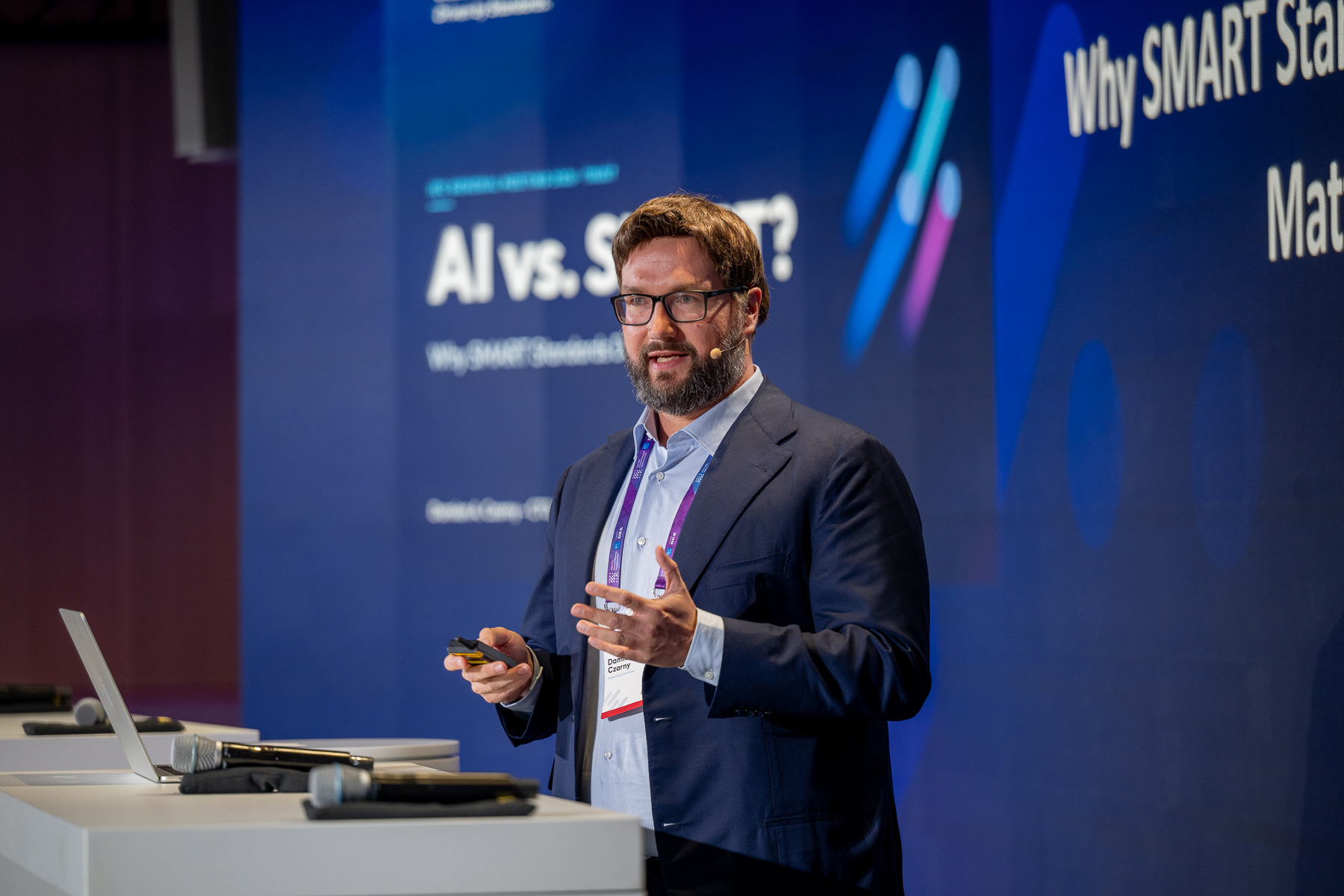
Damian Czarny

Damian Czarny, SiS

| © VDE

Artificial intelligence represents one of the principal drivers of digital transformation and, at the same time, it stands as one of its most controversial topics. How closely intertwined opportunities, risks, and questions of trustworthiness are with each other became clear at the Trust Lab as well. In the “AI vs. SMART” session, Damian A. Czarny, CTO of VDE SIS GmbH, thus posed a deliberately provocative question: “Do we even still need structured SMART Standards data if AI apparently already knows all the answers?”

The answer provided in the presentation was clear: AI versus SMART is the wrong dichotomy. AI and SMART must be considered together because they reinforce each other. With the help of internal AI applications standards can be translated into SMART Standards more efficiently, reliably, and effectively. Conversely, structured, machine-readable, and reliable SMART data can improve the performance and trustworthiness of external AI systems.

“We are currently evolving from document-based to data-based standardization. In the future, SMART Standards will not be able to function without AI. At the same time, powerful AI needs SMART data—no ifs, ands, or buts,” Czarny summarizes.

Station No. 3: Challenges and Experiments

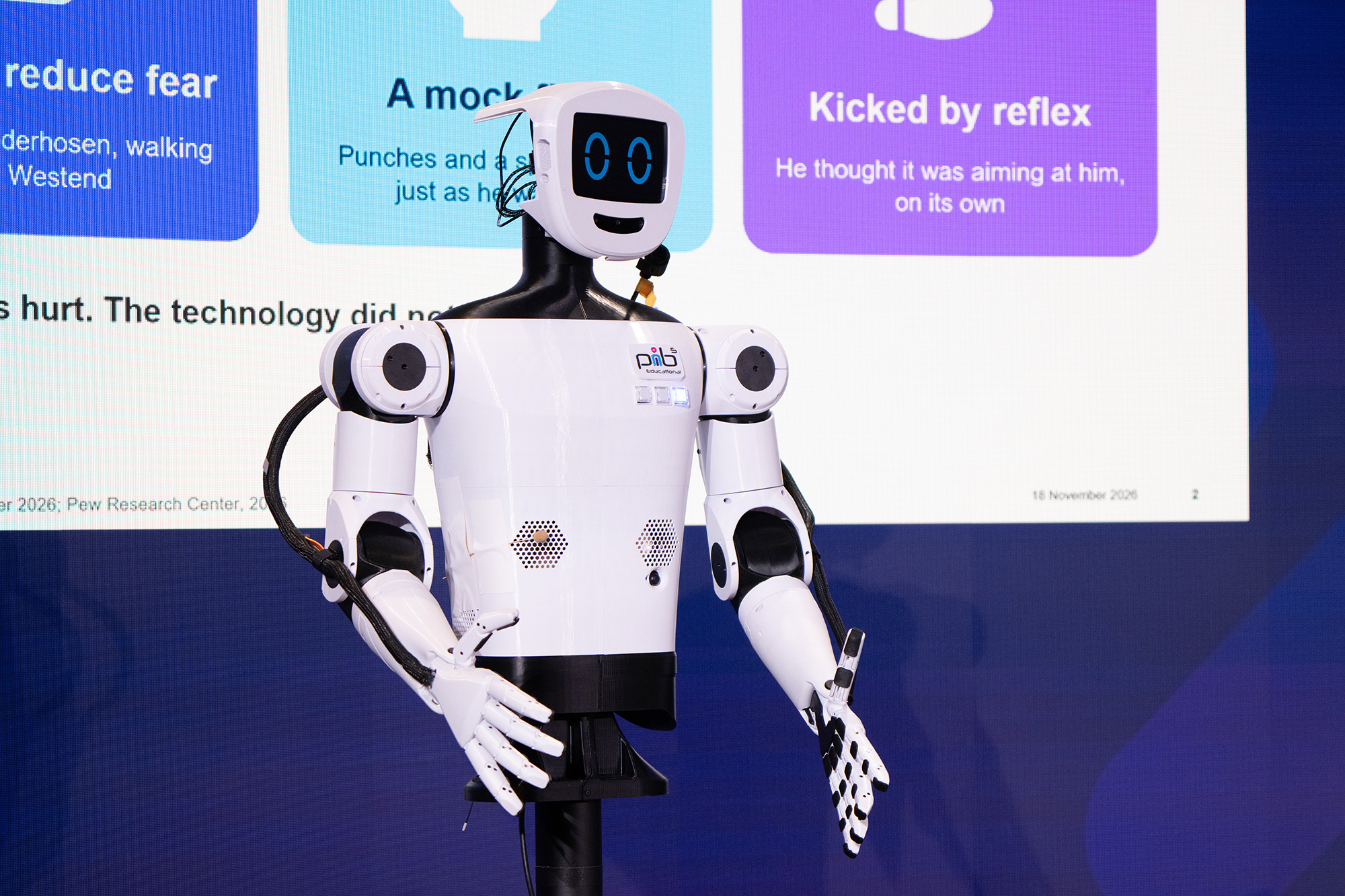
A humanoid robot

How does trust in humanoid robots work?

| © VDE

How does trust in humanoid robots work?

The Trust Lab then fully immersed itself in practical applications over the course of the afternoon, beginning with a foray into the world of humanoid robots. How does it feel when trust in technology is put to the test by machines that move among us and work alongside us? The key prerequisite in this regard is “Design Trust” because only then can we envision encounters between humans and robotics in everyday life within a safe framework. 

That’s exactly what the participants were able to experience firsthand during this panel discussion - through their interaction with the humanoid robot that was invited to the event. “We’re not interested in vague visions of the future; instead, we want to have a concrete discussion about the opportunities, risks, and expectations surrounding collaboration between humans and humanoids,” emphasizes speaker TJ Graebe (isento).

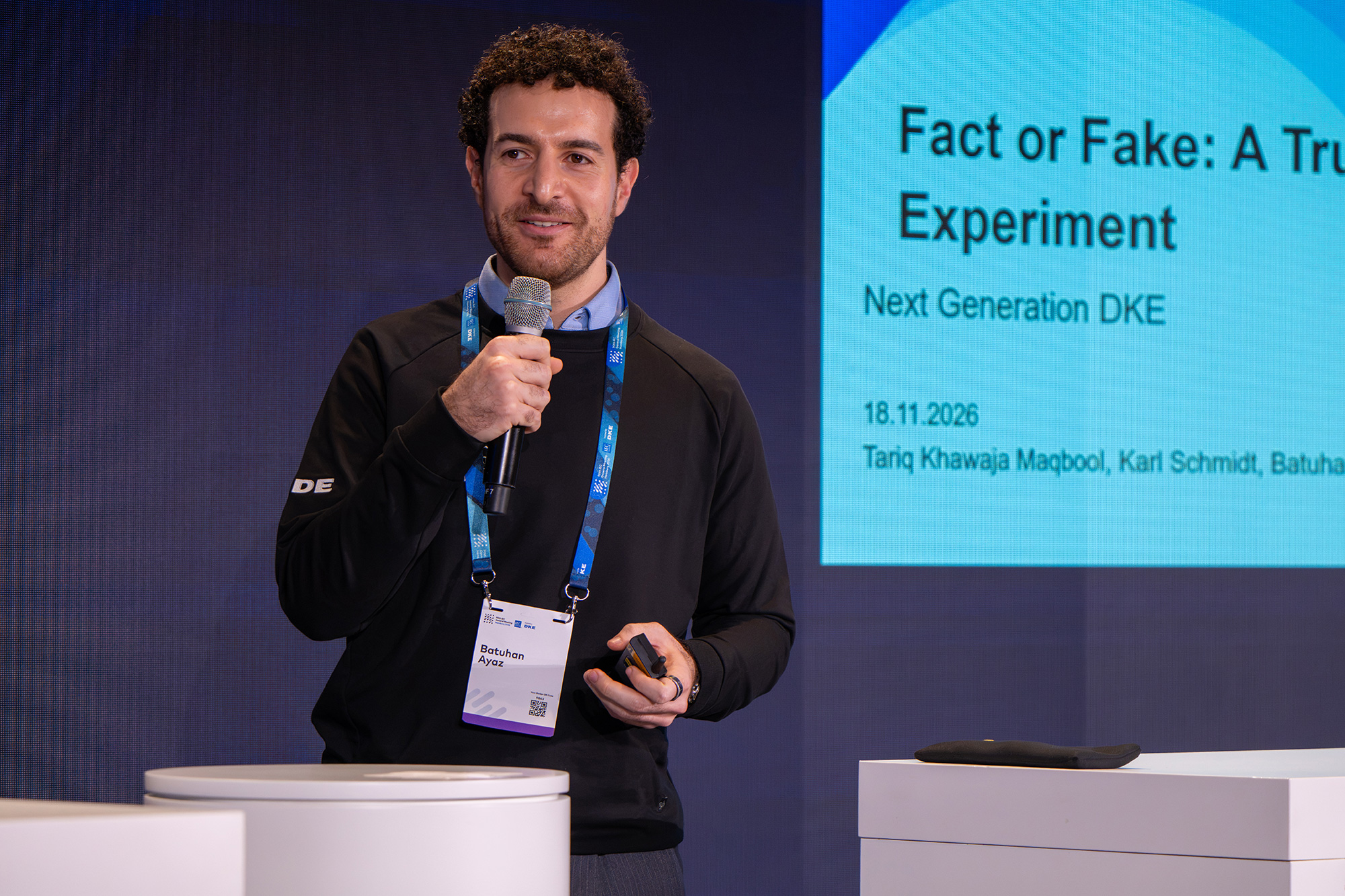
Batuhan Ayaz

Batuhan Ayaz from Next Generation DKE

| © VDE

Do You Know the Truth? A Self-Experiment

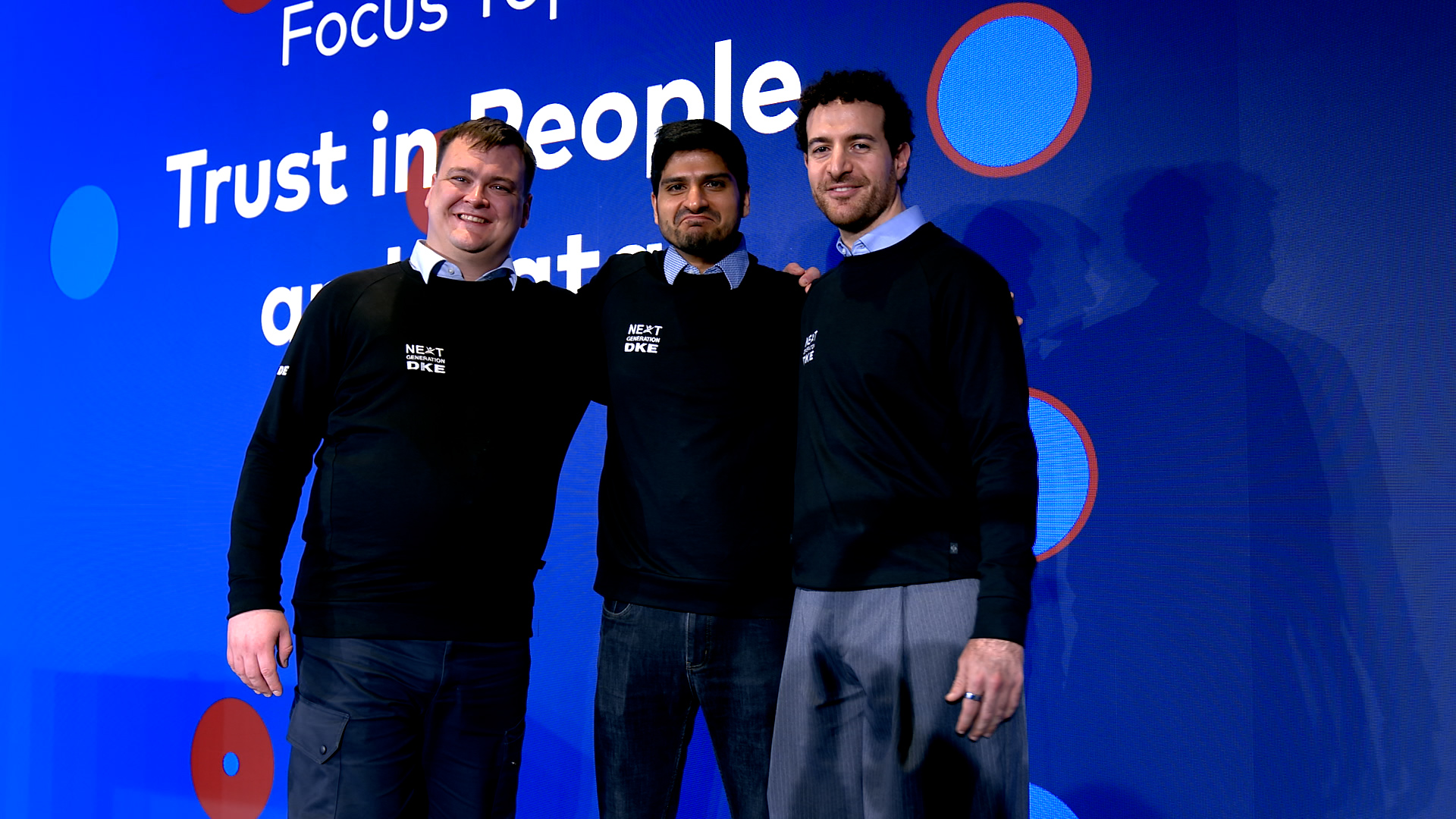
Personal experience was also the focus of a panel hosted by Next Generation DKE. Under the title “Fact or Fake: A Trust Experiment,” guests were invited to examine their own role and impact in standardization. The participants clearly enjoyed taking on the challenge. Batuhan Ayaz from Next Generation DKE summed up the message succinctly afterward: “Let’s make critical thinking the next trend!”

During the event it became clear that it has become incredibly difficult to discern what is “true.” Trust is based on people considering something credible and therefore true. Against this backdrop, how can we reestablish an anchor of trust today? Consensus-based standardization is central to this because its fact-based approach provides the foundation for reliable information and ensures that AI models can be verified and their results evaluated - and that is the prerequisite for trust.

Station No. 4: Implications for Standardization

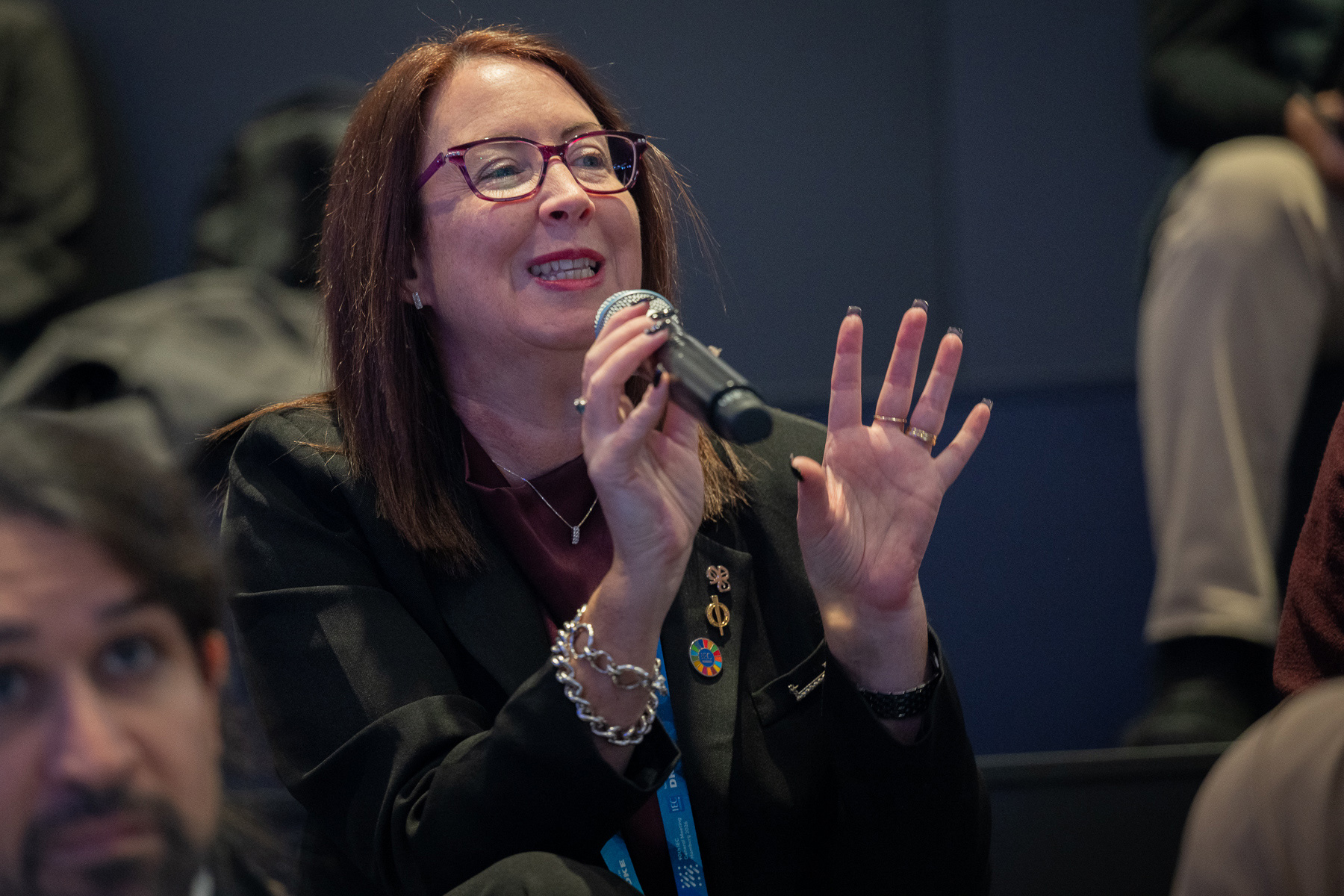
Woman with microphone

Discussion with the audience

| © VDE

After a packed day, it was clear that all stakeholders must actively foster trust in order to ensure the success of the digital transformation. In his opening remarks for the closing panel, Thomas Huppertz (Principal, lumics Consulting) first highlighted what matters most. Afterwards Huppertz, Etienne Cailleau (AFNOR), Francis Pernel (Director, IEC ISO SDU), and moderator Yazan Manna discussed with the audience how trust can be fostered and what role is played by international standardization. The format was designed not as a panel discussion, but rather as an open exchange.

Pleased with her role as moderator after a long day, Project Owner Henrike Gördes commented: “Through our Trust Lab, we reflected on the central role that trust plays in our standardization work, and I hope the participants have gained inspiration for their own work. Thus we take another step forward every day on the path toward an ecosystem of trust that will remain sustainable and effective well into the future.”

Today’s talks on the DKE YouTube channel

Icon book
VDE

Basics of standardization: explained briefly and clearly

To understand the principles and fundamentals of standardization, you only need to know a few things. The basics include definitions, basic terms and explanations of processes and objectives, as well as further information on norms and standards.

Read more

Relevant news and information about standards