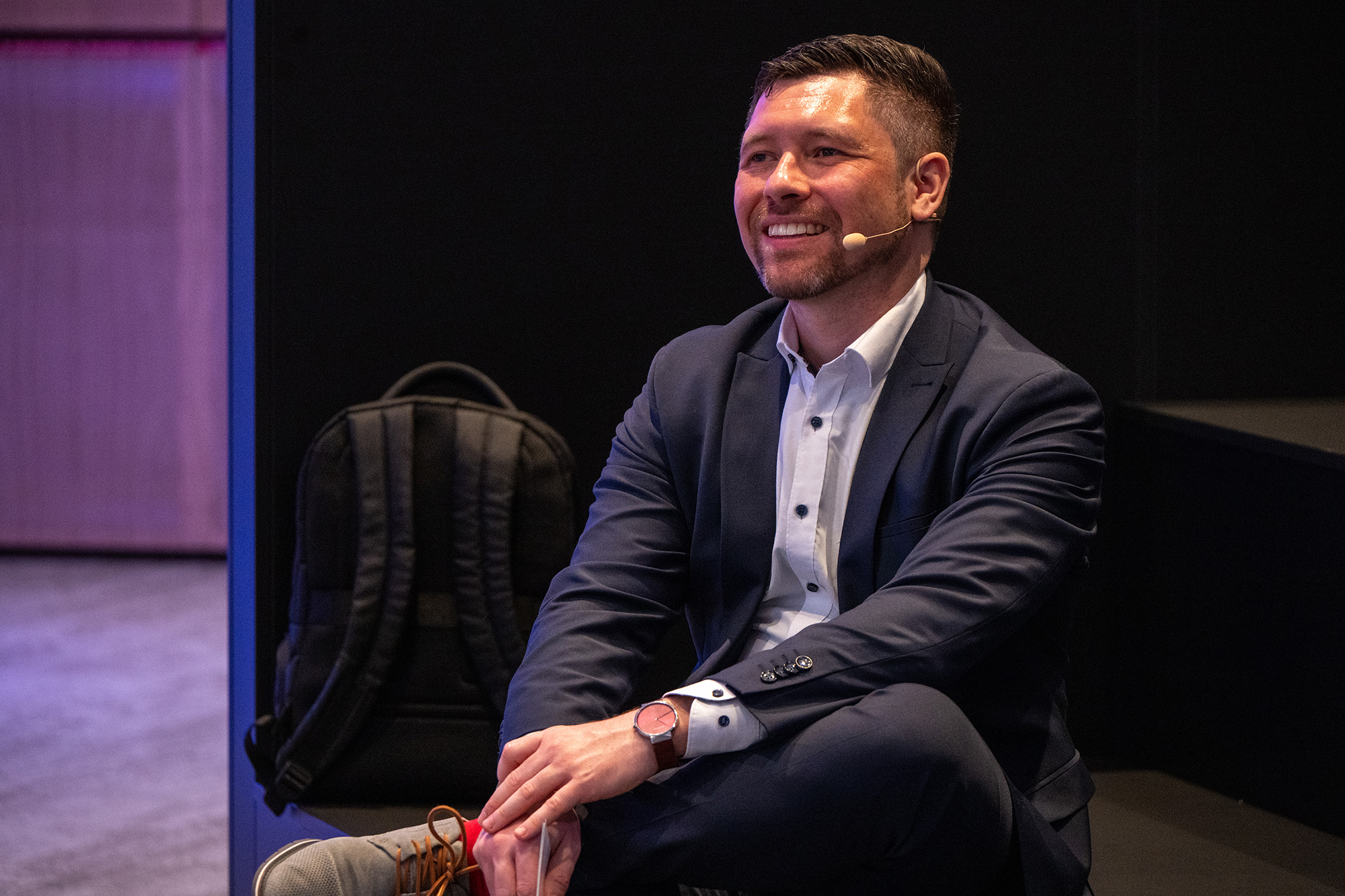
Chris Agius, IEC

Chris Agius, IEC

| © VDE
2026-11-19 review of event

Working Together for a Green Future

And the future requires reliability: Once a year the International Electrotechnical Commission (IEC) convenes for the IEC General Meeting in order to advance international standards for a safer and more sustainable tomorrow. The meeting is hosted this year by the DKE.

For the 90th annual meeting, from November 16–20, 2026, the organization will welcome approximately 3,500 experts from more than 170 countries to Hamburg. On Thursday they discussed issues related to the theme “Green Future and the Power of Standards.” And what was the conclusion after presentations, workshops, panels, and strategy sessions? A green future is only possible if we work together. 

Contact
Dr. Tim Brückmann

Outside, the rain pounds against the huge panoramic windows of the CCH Convention Center in Hamburg. And inside? Ideas are bubbling up everywhere - whether within the committees that meet and deliberate at the various venues, or in the open Transformation Space, where companies showcase best-practice examples, Infineon offers insight into quantum computing, and a humanoid robot named “pib” invites visitors to experiment.

The focus topic on this Thursday is “Green Future and the Power of Standards.” This serves as a guiding theme for the sessions during which working groups discuss specific questions: How can a sustainable energy supply be reliably ensured through internationally recognized standards? How can data centers be operated in a climate-conscious manner? What will an all-electric society look like in the future? It quickly became clear that a green future requires clear rules. And clear rules require structured digital data foundations. 

Heinz Dresbach

Heinz Dresbach

| © VDE

Heinz Dresbach of Siemens understands just how important the digitization of standards is. “The better standards are digitized, the easier they are to work with.” This allows the data to be incorporated early on in the development of products and processes and makes it much easier to manage. “Requirements are taken into account from the very beginning, ensuring that products become more sustainable.” For example, in collaboration with VDE and DKE, Siemens has integrated standards in the ReqIF format into its requirements management software so that they can be reconciled directly within the development process. “This becomes even more significant in light of the increasing use of artificial intelligence, since - especially in industrial manufacturing - the digital availability of well-structured data allows entire processes to be automated,” says Heinz Dresbach. He is enthusiastic about the other best-practice examples in the Transformation Space: “It’s exciting to see where the industry has already established digital standards.”

“That’s exactly why we set up the Transformation Space: We wanted to create a place where people could obtain firsthand experience about the driving forces behind technological development standards in a wide variety of social sectors,” says Damian A. Czarny, CTO of VDE SIS GmbH. He is particularly impressed by the ideas related to the central theme of “Green Future.” “There’s an incredible amount of activity going on here right now.”

“When you intervene in one area, you change another as well.”

Tirthkumar Brahmbhatt

Tirthkumar Brahmbhatt

| © VDE

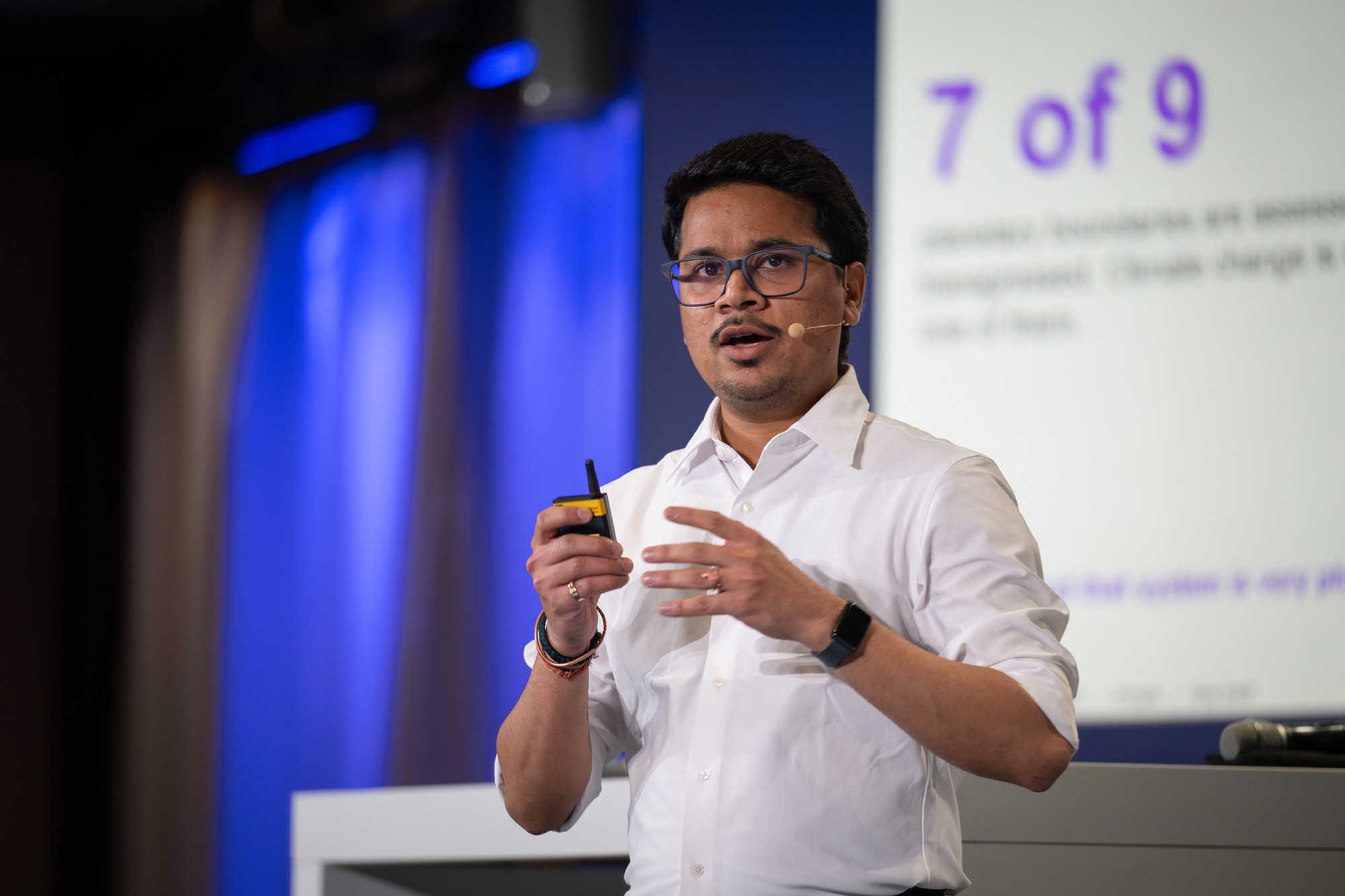
“In Motion” - that’s also the theme for the entire duration of the IEC General Meeting: Experts from around the world are gathering at various locations throughout the city to share their ideas for a better tomorrow. One of them is Tirthkumar Brahmbhatt, Senior Certification Engineer at Schneider Electric. In a panel discussion with Dr. Samir Thapa (MECS), Joel Stratemann (Phoenix Contact), and Dirk Lau (IHK Hamburg), he discusses the impact of digitalization on society and the environment. “The topic of ‘Green Future’ encompasses more than just climate and environmental protection,” he says. “Energy, nature, health, and society are all interconnected. Intervening in one area inevitably affects the others as well.” That is why it is so important to define international standards. “"Green Future’ must be a system governed by rules and framework conditions, ensuring that everything works together successfully.”

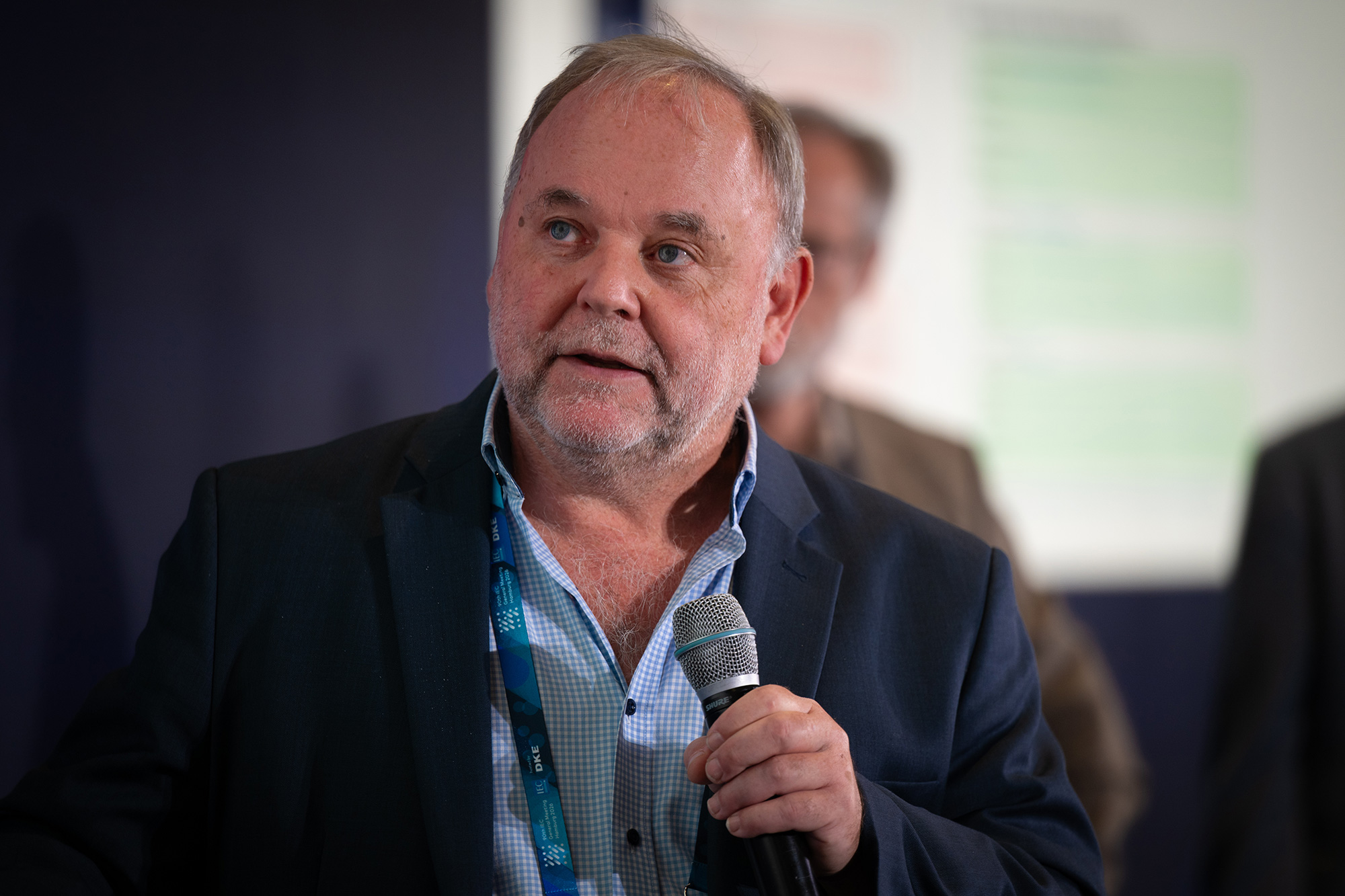
For Chris Agius, this is primarily about harmonization. And about trust. “To achieve trust, we need to do things the same way,” says the IECQ & IECEx Executive Secretary. In his view, the IEC General Meeting not only provides the ideal forum for exchange, but also serves as a catalyst for reaching consensus on the development of norms and standards. Harmonization and trust - these are also key priorities for Raymond Puppan, Head of Conformity Assessment & Standards Ecosystem at the DKE. “For me, ‘Green Future’ also means using a product until it - or parts of it - can no longer be used.” Currently, he notes, standards are primarily designed for new products. “One of our tasks will therefore be to adapt the requirements of standardization much more closely to a product’s multiple life cycles.”  

A Blueprint for Sector Coupling

Joel Stratemann

Joel Stratemann

| © VDE

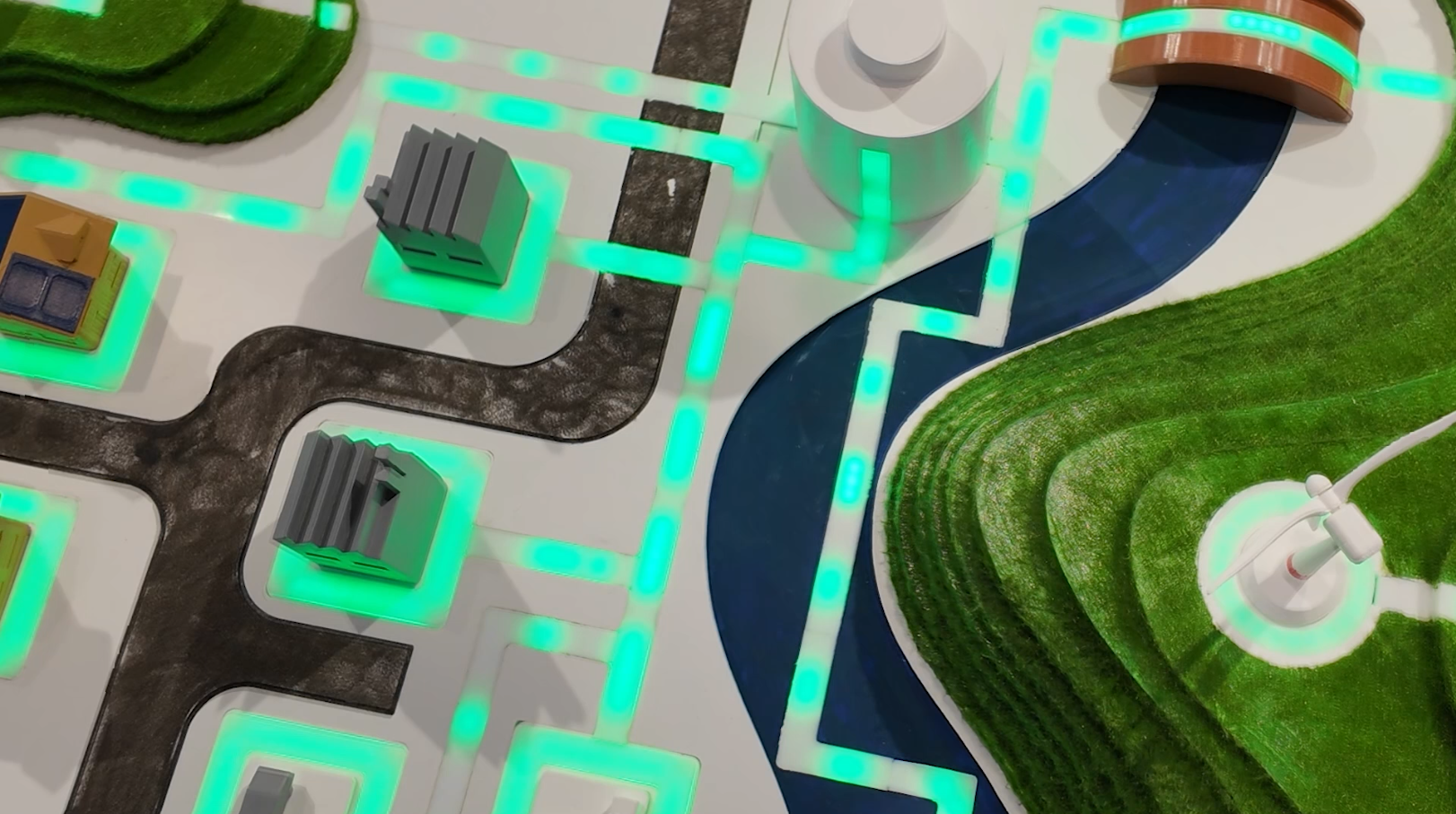
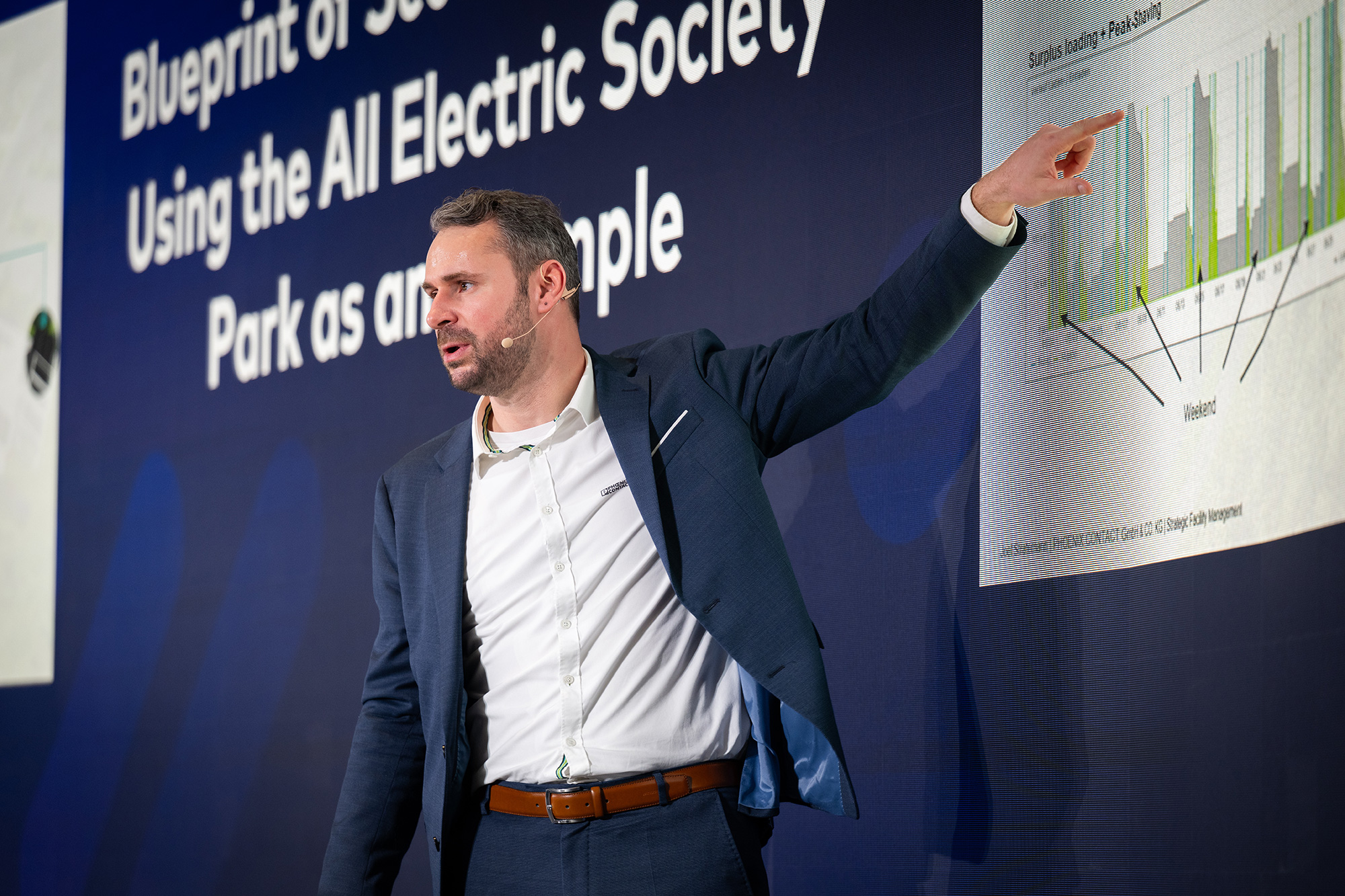
Joel Stratemann demonstrates just how effective standardization is in a realworld setting. The Senior Technology Manager at Phoenix Contact discusses the All Electric Society Park in Blomberg, East Westphalia, which uses and stores renewable energy. Here, photovoltaics, battery storage, and a bidirectional heating and cooling system work in tandem - controlled by electrical and thermal energy management systems. As a result, no CO2 is emitted during operation. “This integration only works because there are defined standards for IT-based sector coupling, which enable everything to be networked and controlled,” says Stratemann. “This is a blueprint for sector coupling and demonstrates that it is not just a vision, but it can already be implemented with the resources currently available.” The key lies in how the technologies work together.  

What is explained on stage can be vividly experienced just a few meters away: In the Transformation Space, the All Electric Society Park is one of the selected best-practice examples. Johannes Stein stands in front of it, examining the model in detail. “I’m thrilled that the vision of an All Electric Society is truly being brought to life here,” says Stein, who is responsible for this topic at DKE. “Electrification is the solution for the future because it is safer, more affordable, more sustainable, and more resilient than carbon-based energy sources. Whenever it is possible in the standardization process, we first assess whether electrification makes sense and than work toward this as our goal.”

Mahlatse Fortunate Hlanga is also enthusiastic about the examples. She traveled from South Africa to attend the IEC General Meeting, and this is her second time here. “I have been very much inspired by the Transformation Space and plan to share this at home.” Back home, she works for a company that verifies compliance with standards for electrical installations. “The fact that we have a place here where we can exchange ideas in a very concrete manner is extremely important to me.” 

Record attendance for the 90th edition

Dr. Tim Brückmann

Dr. Tim Brückmann

| © VDE

As the 90th anniversary of the global gathering of the standards community draws to a close, the overriding impression is that we have taken a major step forward once again. While politics, business, and society differ from region to region, standards create a common foundation - driving innovation, technological progress, and digital transformation. “Over the past few days, we’ve seen what happens when expertise meets the will to make a difference together. A green future won’t happen on its own. It has to be engineered, and standards are how the world agrees on how to do it,” says Yazan Manna, IEC Digital Transformation Lead. “The DKE was an outstanding host, and I’d like to thank everyone involved who gave their all here.” The DKE is also pleased with the results. “It was a great pleasure for us to have helped more than 3,500 guests - a record number of participants - enjoy their time here,” says Dr. Tim Brückmann, Coordinator for Environment and Sustainability. “For a green future that holds so much in store for all of us.”

Today’s talks on the DKE YouTube channel

Interested in additional content about Components & Technologies?

Components & Technologies - picture
VDE DKE

Components & Technologies focuses on parts, components and materials that are installed and used in a wide variety of end products. The quality and properties of the finished products are decisively influenced by the components and materials used. You will find further content on this specialist area in the

DKE area of work Components & Technologies

Relevant news and information about standards