

Insights from the 2026 IEC General Meeting on SMART Solutions

- Using standards digitally: Some companies are already incorporating digital standards directly into their software - allowing requirements to be met more reliably and efficiently.
- Simplifying standardization processes: New, AI-supported features for the OSD online platform open up entirely new possibilities for authors to write standards that are digitally compatible from the outset - and to comply with the criteria of the ISO/IEC standards at all times.
- AI as a driver: Since September, the VDE in Germany has been offering standards with interfaces to AI systems for the first time - generating significant interest in the market.
- Consensus-building remains key: In the future as well, experts will decide on new standards and any necessary adjustments by consensus - AI serves as both a tool and a challenge in this process.
- SMART Opens Up Opportunities for All: Even countries and companies with limited resources benefit from the SMART approach, as numerous discussions have shown.
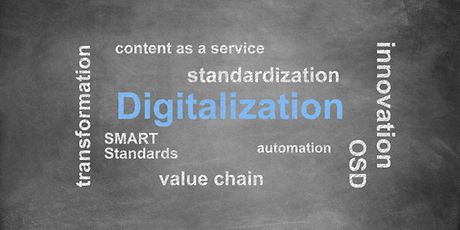
The core idea behind SMART, the joint approach of the international standardization organizations IEC and ISO, is to structure standard content in such a way that specific requirements can be easily identified, linked across multiple standards, and directly integrated into digital tools. This holds great promise for companies and their employees - who sometimes have to sift through as many as several hundred pages of regulatory documents even for minor questions. At the IEC General Meeting, visitors were able to experience precisely this through unique demonstration setups.
Is a company developing a new product and looking to have it certified? In the future, the company will be able to digitally verify compliance with criteria well in advance of the inspection, make corrections - and submit all of the information required electronically to a testing institute or other certified bodies, as well as to customers at a later stage. This also contributes to the concept of the digital product passport, which will be gradually introduced starting next year and is strongly supported by the standards community.