Consensus Barometer

Consensus Barometer at the Transformation Space

| © VDE
2026-11-17 review of event

Lactose-free or black? The Taste of Consensus at the IEC GM

Everyone in the standards community knows that nothing works without consensus. But exactly where digitalization will lead the standards community in the future is still a work in progress. That was precisely the topic of the Consensus Day at the Transformation Space in Hamburg.

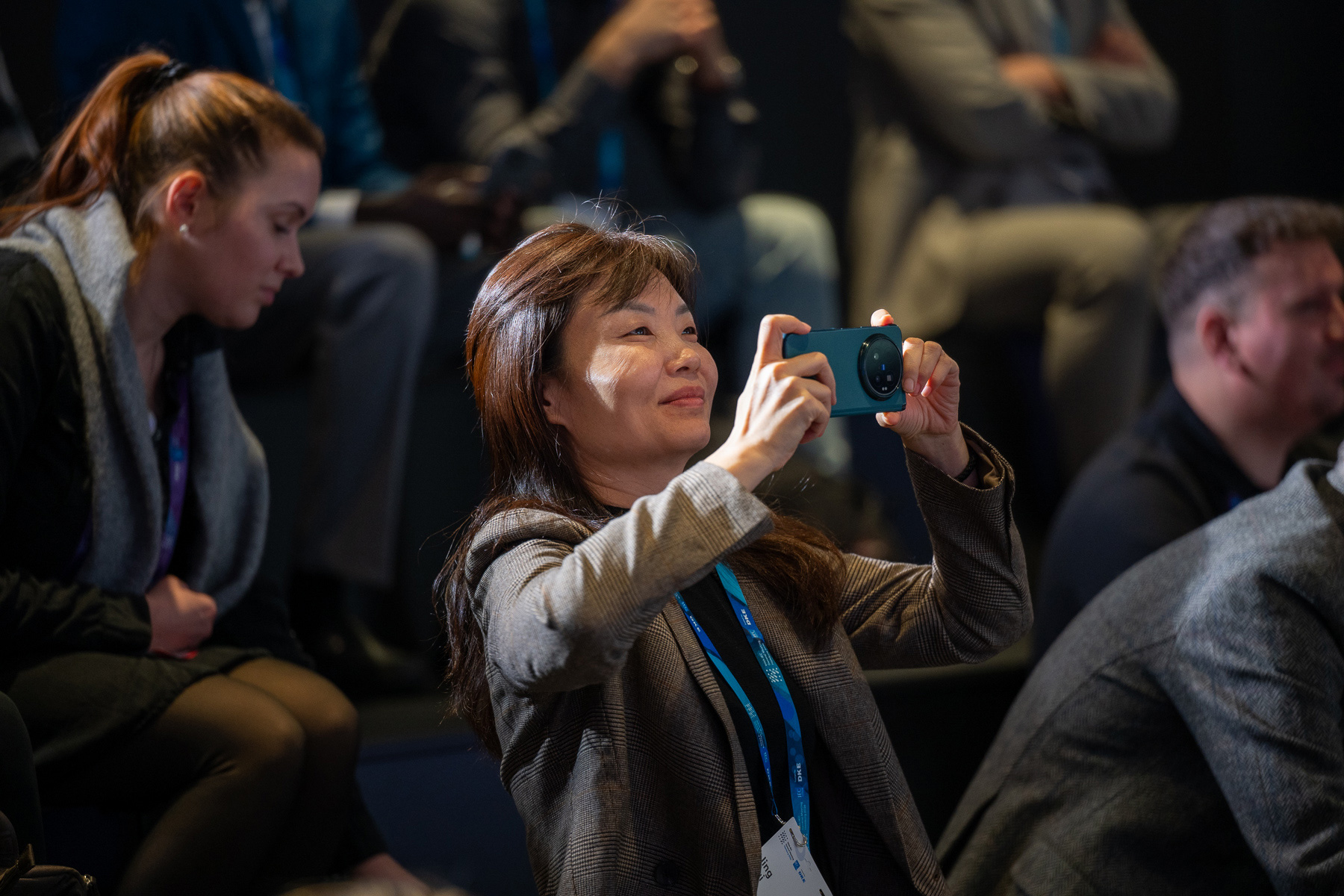
For Project Owner Christian Marian of the DKE, the key point was that: “We chose innovative formats to bring consensus to life - controversial, informative, and definitely with a touch of humor here and there.” It was a success, as evidenced by the more than 300 visitors who attended the events.

Contact
Christian Marian

Digital Consensus? Opportunities and Risks of AI & Co.
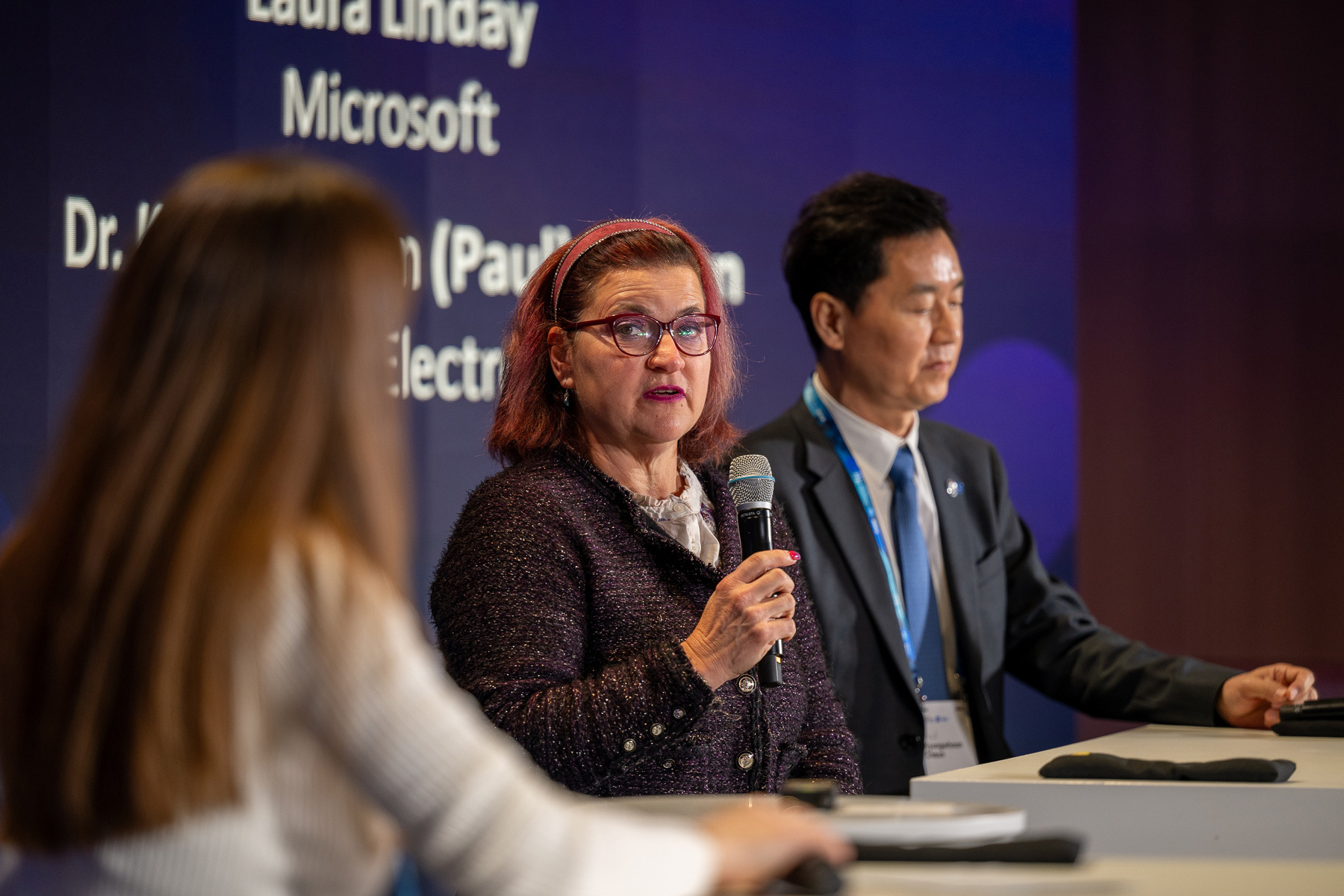
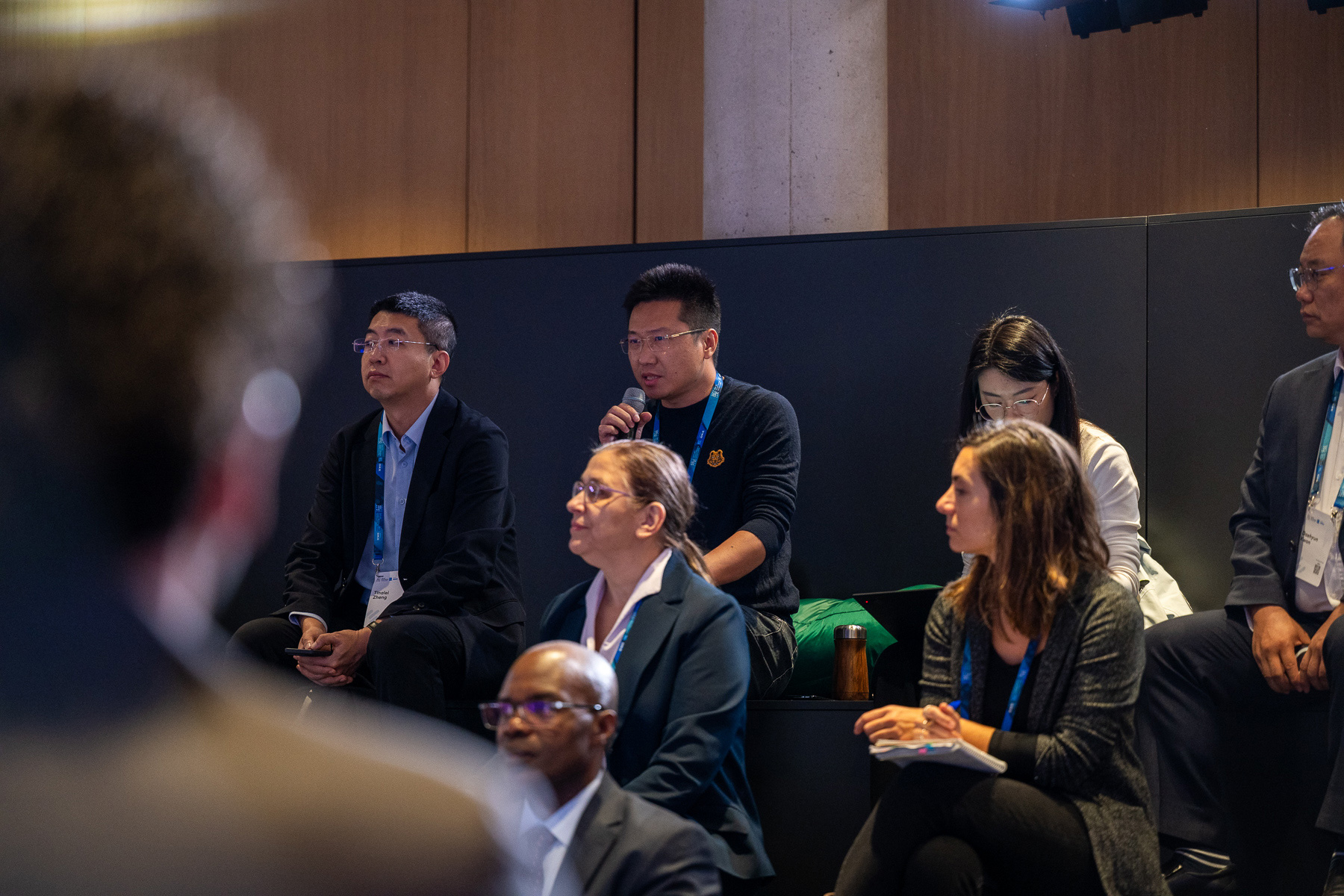
Digitalization isn’t just omnipresent in daily life; at the IEC GM’s Consensus Day in Hamburg, the topic also dominated the discussions from the first to the last agenda item. After all, the principle of consensus itself is not up for debate in the standards community—but the path to achieving it certainly is. Both the IEC’s opening event in the morning and the closing panel in the evening addressed this question: How can new technologies change the process of consensus-building in a way that ensures consensus does not lose its value? What is the significance of different cultural viewpoints and the industry’s perspective?

Of course, no definitive answers were found, but it was clear from the participants that it is precisely these answers that will pave the way to the future. One thing became clear in Hamburg: Consensus-based, modern standardization requires digitalization - whose potential is evident, for example, in the SMART Standards campaign, which was presented at a separate event. However, the necessary adjustments to standardization processes also require consensus, as some countries are able to implement such initiatives quickly, while others need more time.

The importance of AI in standardization was also discussed at length, with a focus on the balance between trustworthiness and efficiency. There was no dispute among the panel or the audience that AI - a technology that is itself the subject of comprehensive standardization initiatives - can generate the minutes of meetings or translate documents. Consensus-building itself, however, was attributed more to human intelligence than to artificial intelligence. Gilles Thonet, Deputy Secretary-General of the IEC, reflected on the role of AI in standards development: “AI can significantly improve the efficiency of standards development by supporting tasks such as summarizing meetings, drafting documents, checking contents for consistency, and translation. However, international consensus is built on trust, discussion and sound judgement. These remain fundamentally human qualities that are essential to the standards development process.”
Consensus as an Experiment: On Barometers and Humanoid Robots

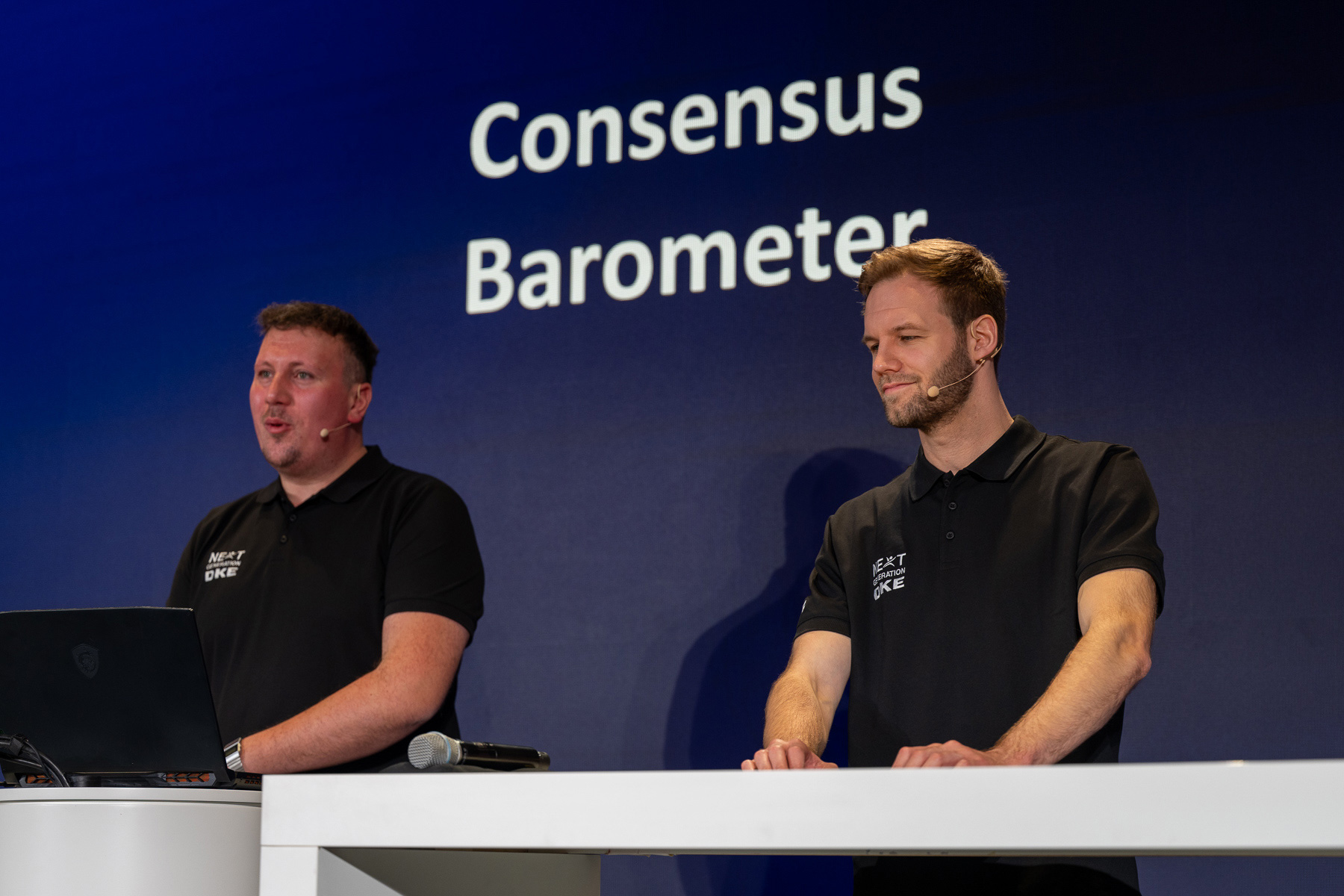
Consensus Barometer

At the Consensus Barometer

| © VDE

Yes or No - Even When It’s Hard

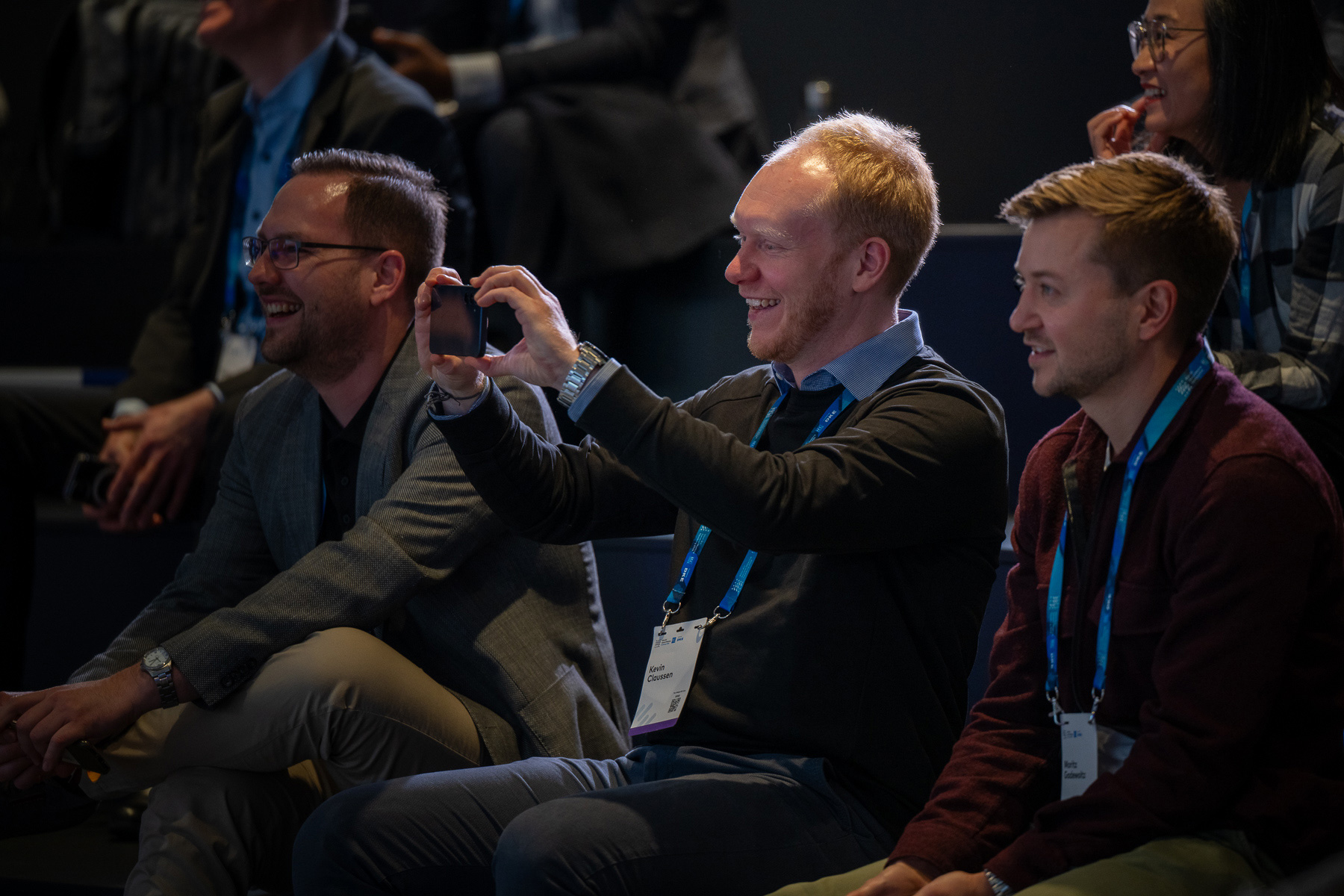
In addition to the major debates, the organizers of the Consensus Day wanted to make consensus a tangible experience. There was an interactive session before the lunch break called the “Consensus Barometer,” where participants could experience firsthand both the blessings and the challenges of the consensus principle. To achieve this, the audience was presented with a selection of questions and possible answers to work through. The key point was that each individual had to choose an answer to enable the group to reach consensus. For example: Should AI play a greater role in the standardization decision-making process? The only possible answers were “Yes” or “No,” which meant participants were inevitably required to take a stance.

The results of the poll on this and other questions were displayed and briefly discussed in the plenary session. Benjamin A. Johann of Next Generation DKE commented: “Reaching consensus requires friction and is often a confrontational process—yet it is indispensable. Our format tangibly sparked this constructive tension among the audience while also making it clear: Without a viable consensus, decisions cannot be made and our collective ability to act breaks down.”

Wer sagt es dem Roboter?

Wer sagt es dem Roboter?

| © VDE

Who Tells the Robot Which Way to Go?

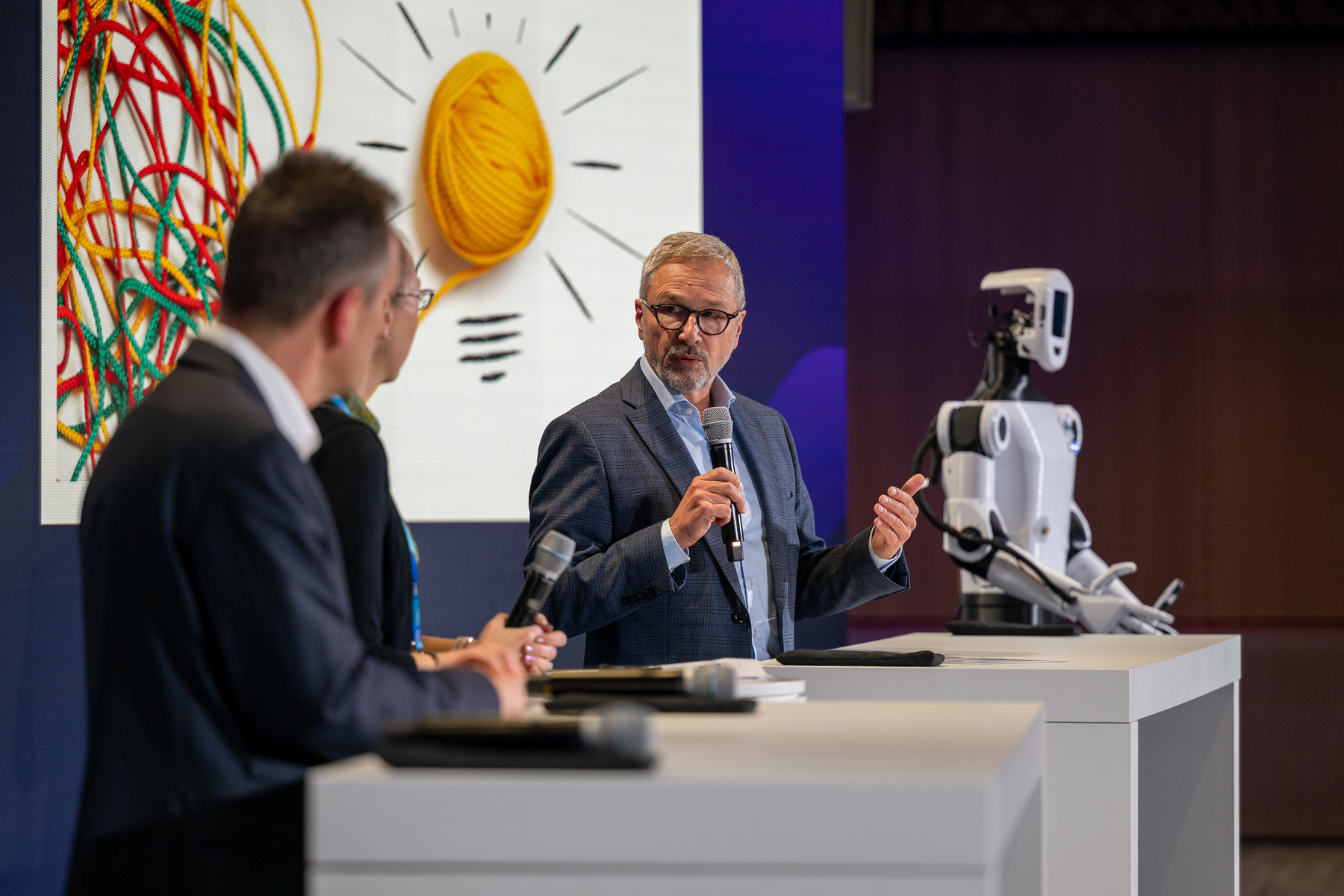
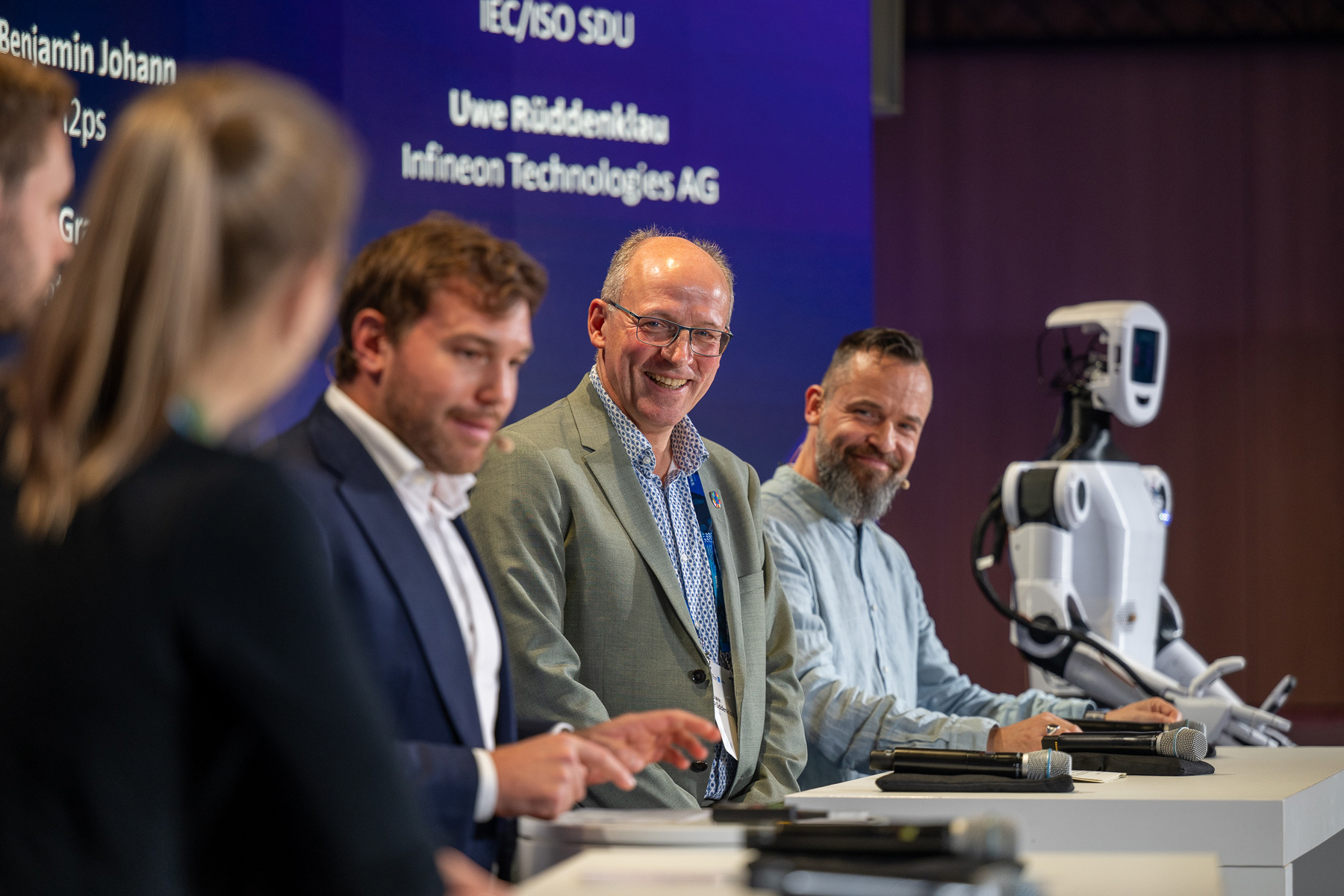
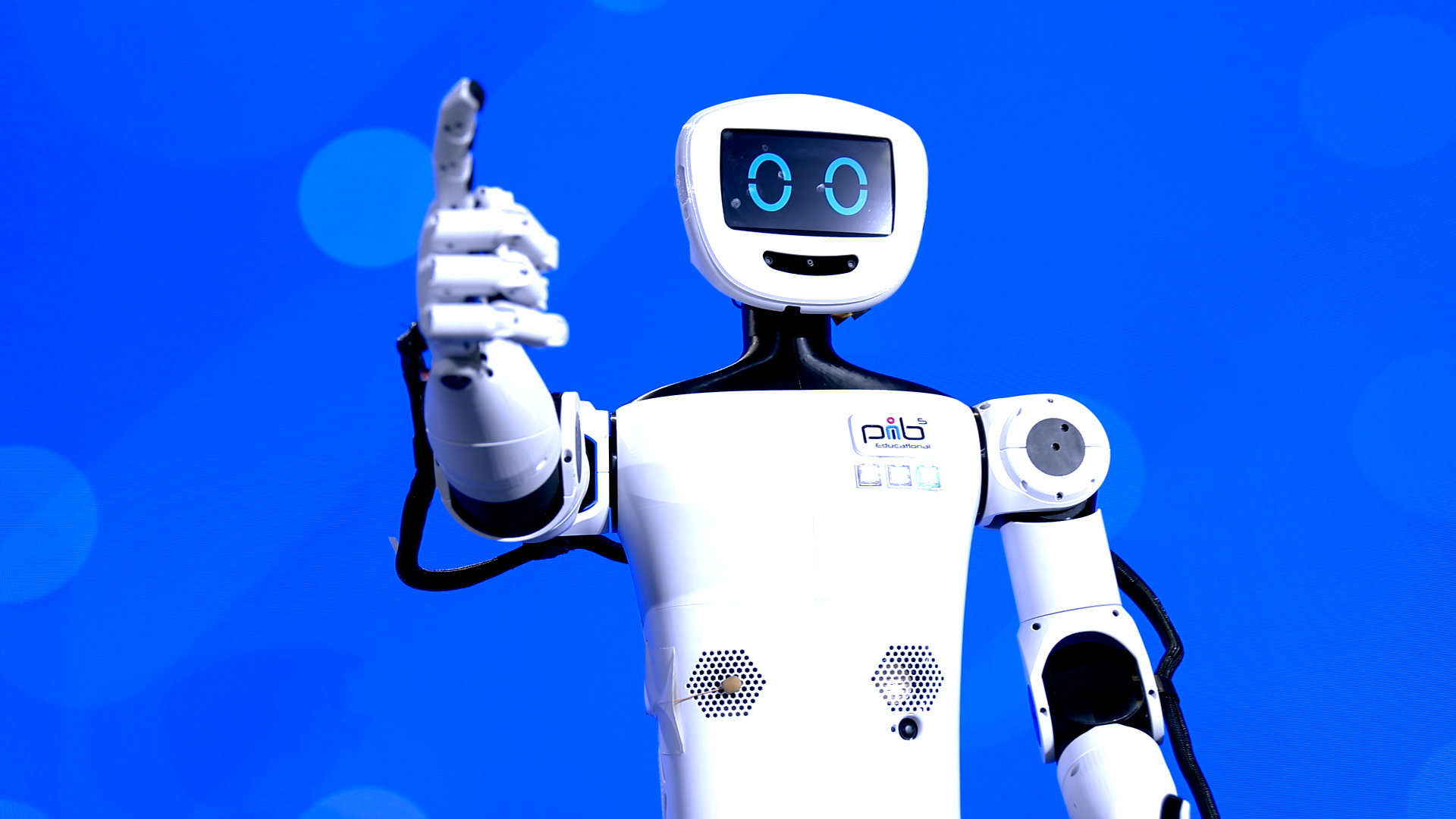
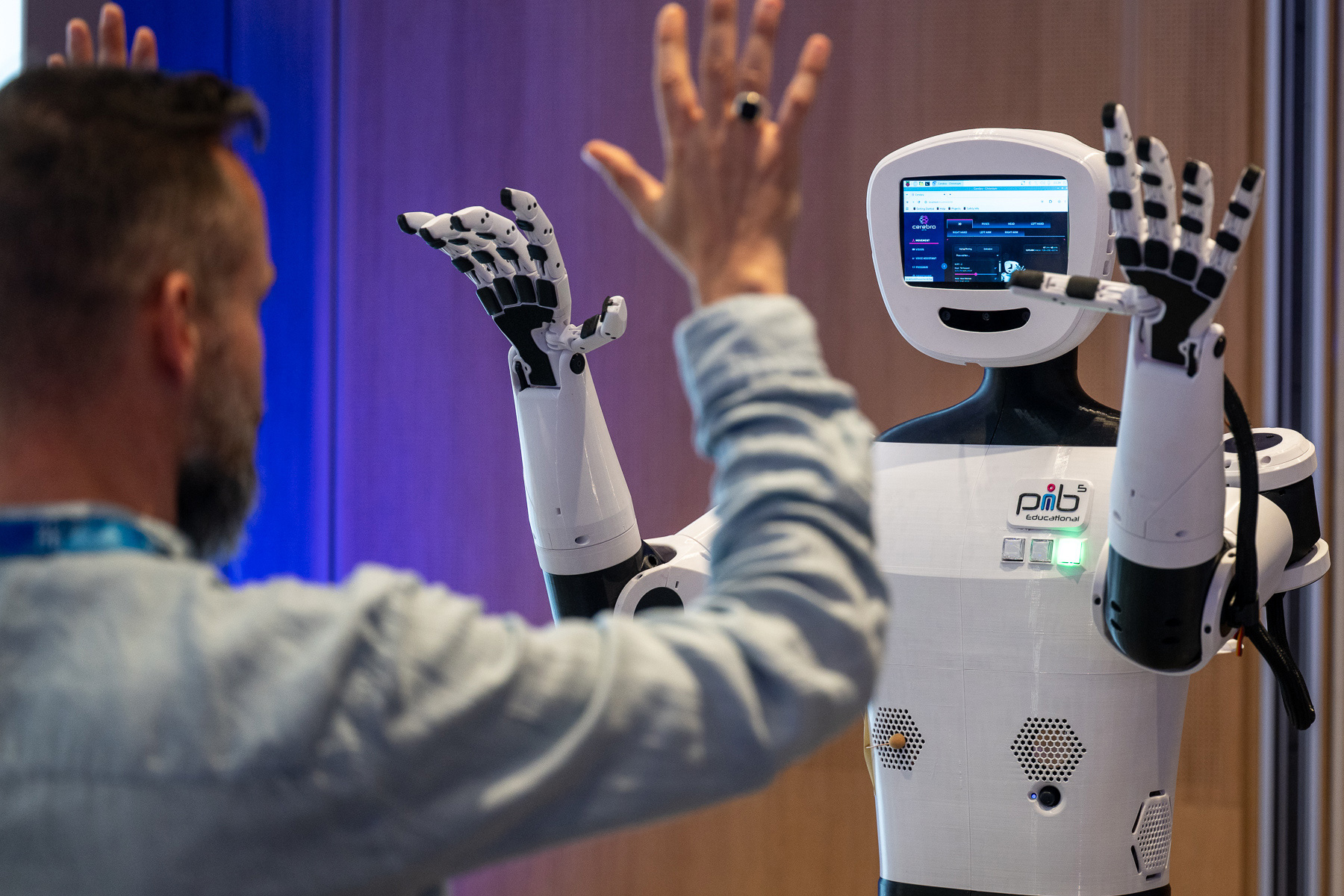
A second panel discussion in the afternoon focused on the question of whether a consensus can be reached on how humanoid robots should make decisions—not from a technical perspective, but from an ethical one. As part of a playful opening activity, the robot on stage received conflicting instructions from moderator Christian Marian and keynote speaker TJ Graebe (isento) in order to illustrate this topic in a striking manner. TJ Graebe commented: “Of course, a robot follows decision-making rules: it carries out the last command, obeys the one higher up in the hierarchy, or stops and asks for clarification. But each of these rules is a value judgment. The real question is who defines these values—and according to what cultural compass. We need answers to this before humanoid robots become part of our everyday lives.”

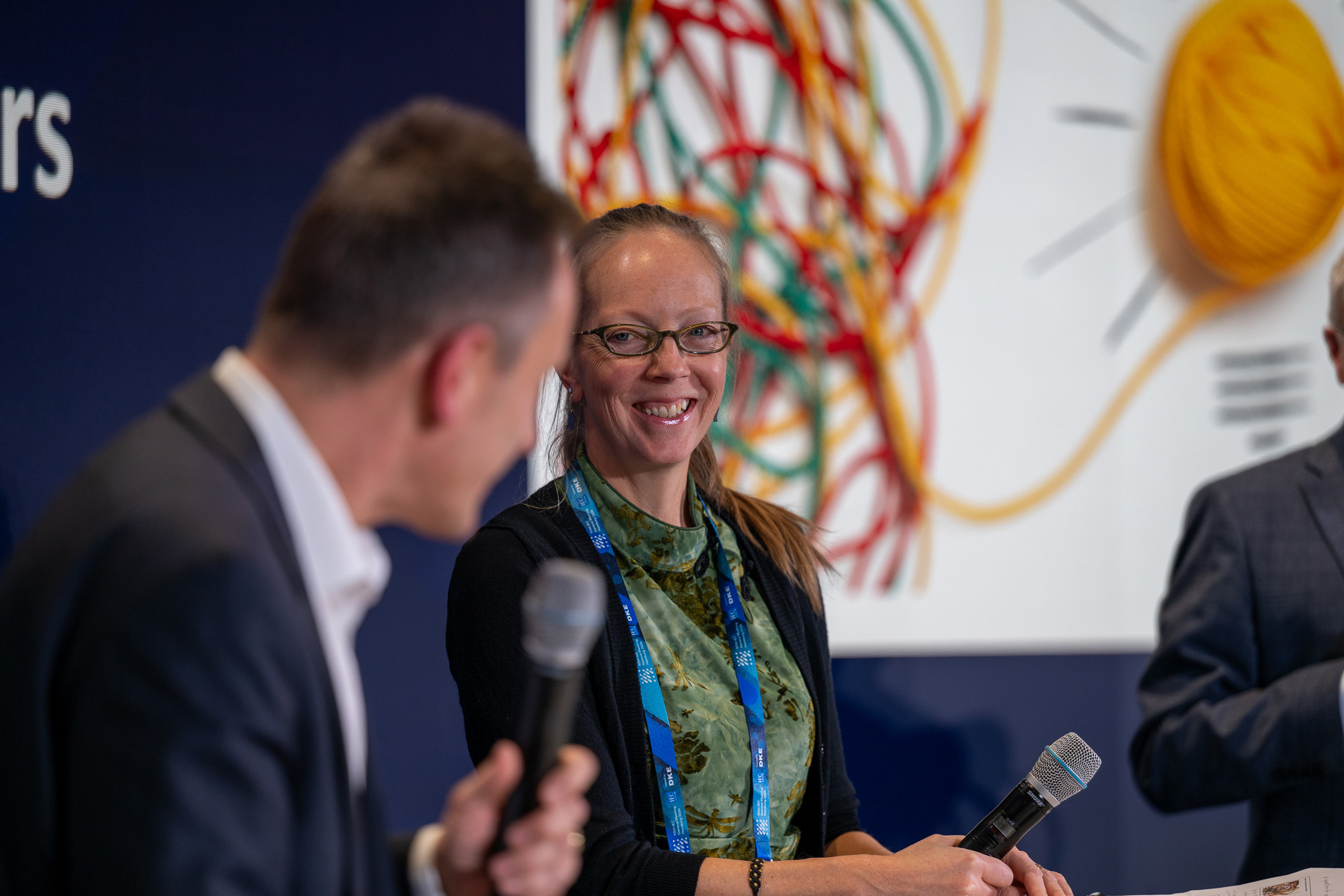
With this in mind, the discussion focused on the significant role that differing cultural expectations play, particularly in this field of technology. Panel participant Uwe Rüddenklau (Infineon Technologies) summarized it this way: “In my experience, it’s generally a major challenge to reconcile the perspectives of the U.S., South Korea, Japan, China, and Europe. In robotics - and by extension, in AI - this is even more pronounced, since different value systems influence the products much more strongly than, for example, in the field of safety. Standards can only address this issue to a certain extent. Nevertheless, we need answers, even if not everyone will agree with them - but that doesn’t mean consensus either. Consensus means deciding on a reasonable compromise after sufficient discussion.”

Impressions of the day

Café Consensus: The Path to an International Coffee Standard

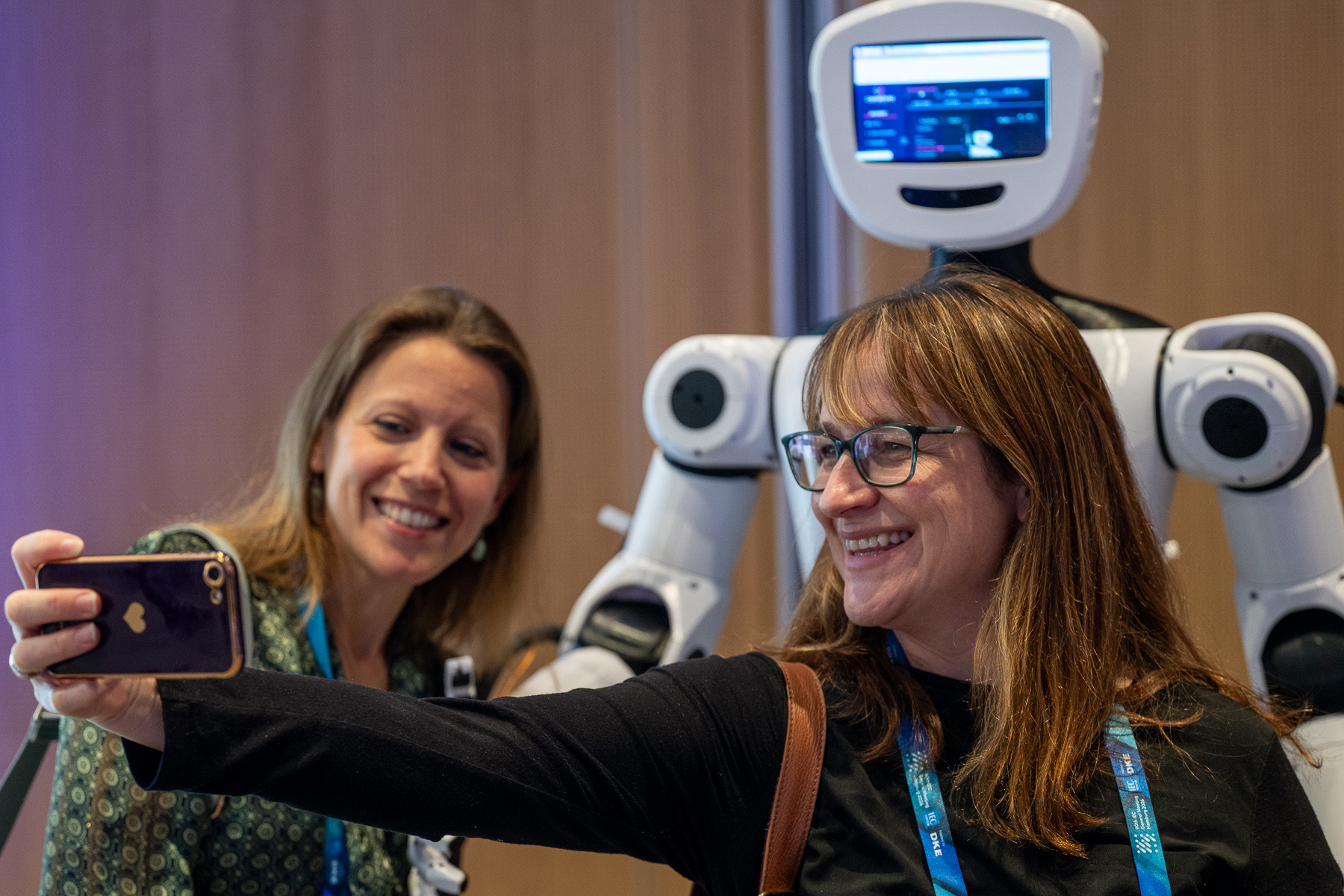
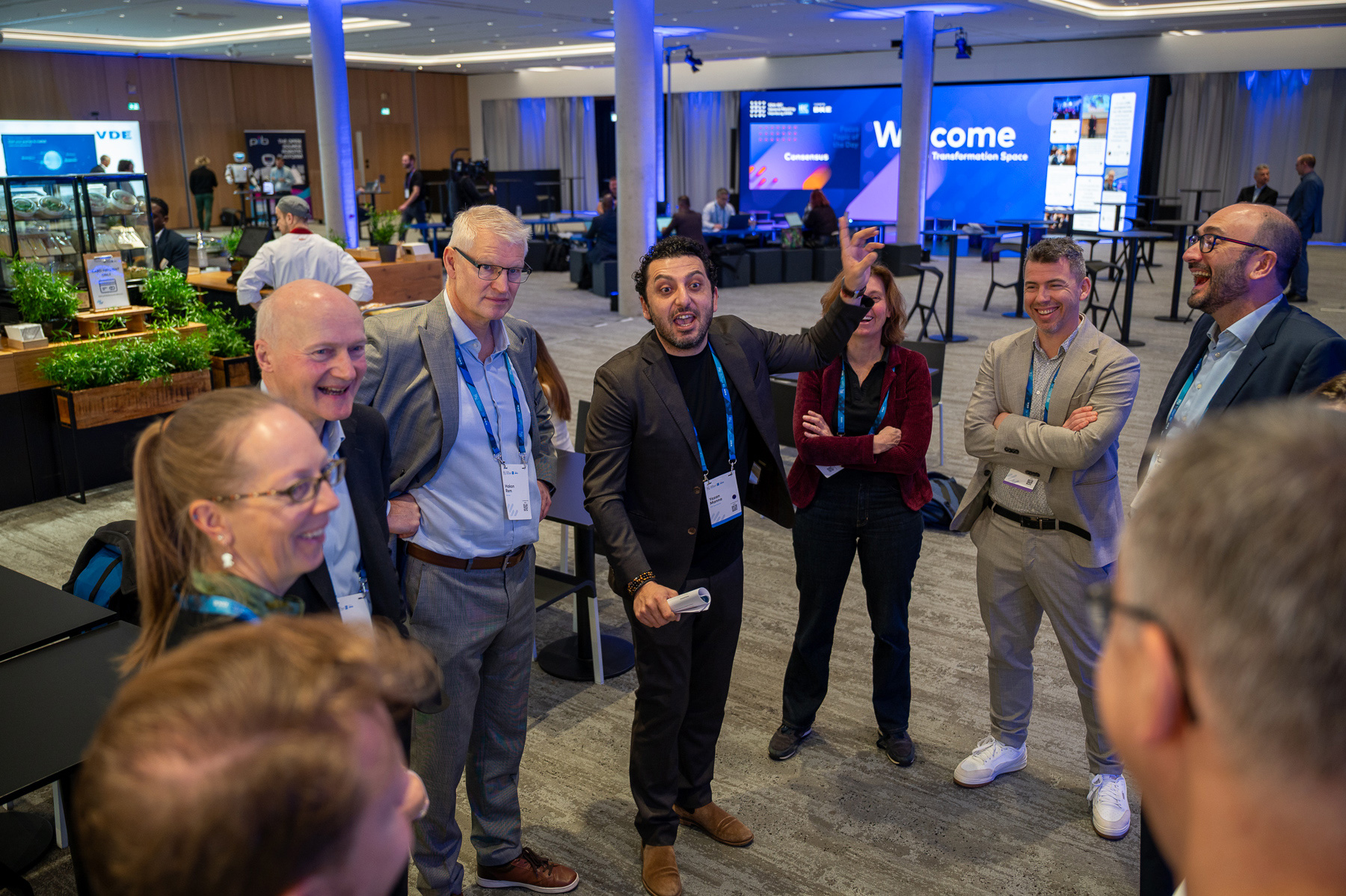
Strong or weak, espresso or cappuccino, lactose-free or whole milk, with or without sugar: The process of ordering coffee offers many possible paths and thus also raises the question of what the one, perfect cup of coffee might look like. At Café Consensus, participants had the opportunity at the start of the day to approach the question of the consensus principle from a completely different angle. So how did the Consensus Day in Hamburg go?

Christian Marian sums it up: “After a day full of discussions, one question remains: What was the greatest point of consensus? AI? Probably not. The future of standardization? Not yet. The role of cultural values in technological development? That, too, will surely keep us busy for a long time to come. When it came to coffee, however, agreement was reached surprisingly quickly. Perhaps there’s a lesson here for international standardization: The path to consensus rarely begins with complete agreement. But it often begins with a willingness to sit down together at the table.”


Bullseye on a wall with some darts
photostocklight - stock.adobe.com

Standardization and strategy: Shaping the future together

Digitalization is advancing and the world is growing together. We take this into account by launching different thrust areas and attending important target projects.

Our goal is to further develop standardization and to make our contribution as a standardization organization in business, society and politics.

Read more

Relevant news and information about standards